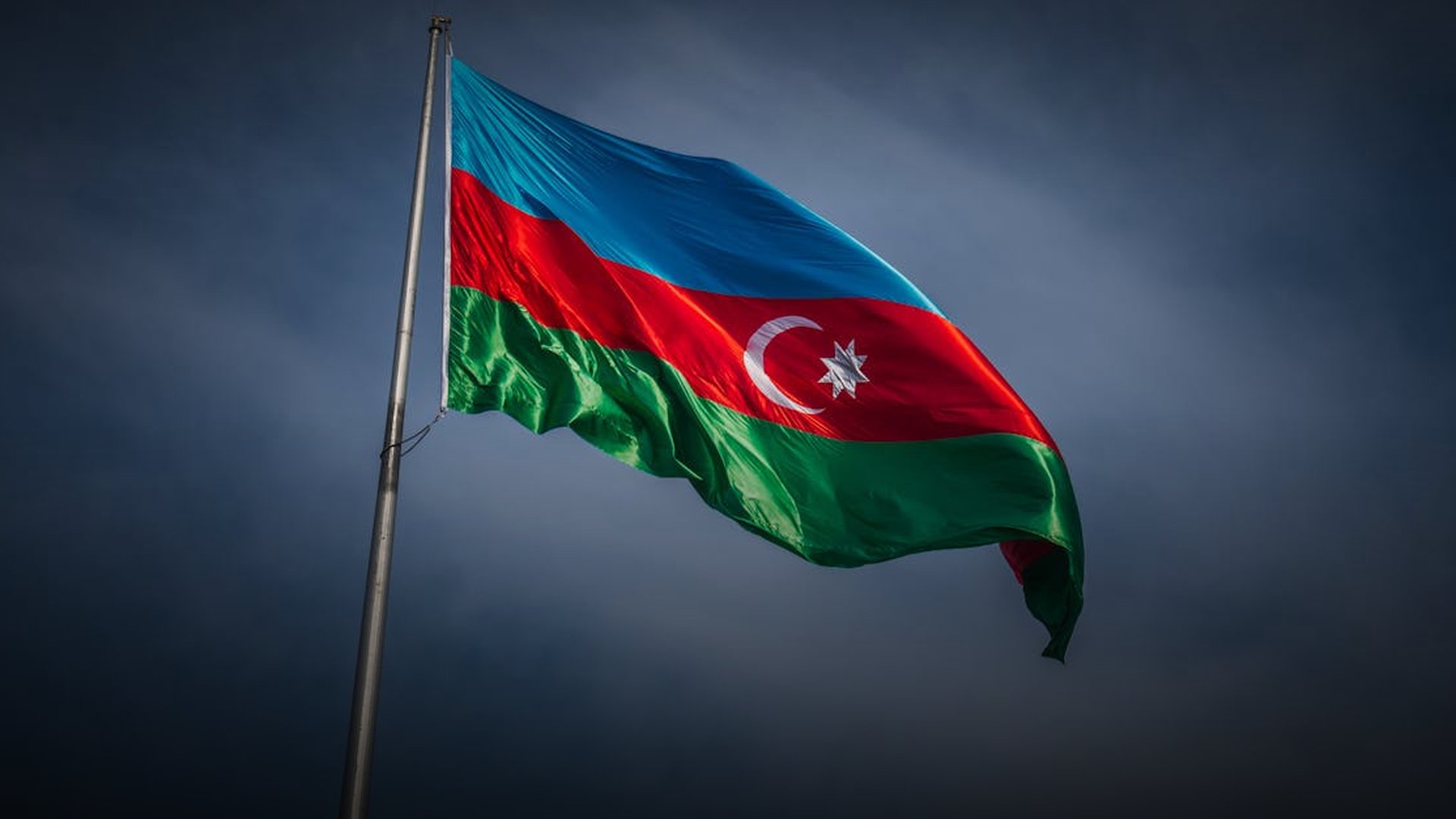
The second humanitarian ceasefire, scheduled to begin at midnight, failed within minutes as both Armenia and Azerbaijan accused each other of violations, leaving bodies uncollected and prisoners unexchanged.
Another Failed Attempt
The new agreement details:
Immediate Breakdown
00:04 AM
- Artillery fire reported near Hadrut
- Both sides claim “defensive actions”
00:15 AM
- Full combat operations resume
- Drone strikes continue
00:30 AM
- Ceasefire effectively abandoned
ICRC teams waiting at collection points for prisoner exchanges were again forced to abandon their humanitarian mission due to active combat.
Pattern of Failure
Analysts identify why ceasefires fail:
Military Dynamics
- Azerbaijan advancing: No incentive to pause
- Armenia desperate: Needs to counterattack
- Weather factor: Winter approaching
- Momentum: Stopping aids defender
Political Calculations
- Domestic pressure for victory
- International credibility
- Maximalist demands
- No trust between parties
“Both sides are still convinced they can win militarily. Until that calculation changes, ceasefires are merely paper exercises.”
Humanitarian Disaster
Failed ceasefire prevents:
Diplomatic Frustration
International mediators express exasperation:
Russia
“The sides must show political will”
France
“Ceasefire violations are unacceptable”
USA
“Deeply disappointed by continued fighting”
Field Reality
Military sources reveal challenges:
Front-line commanders report receiving ceasefire orders minutes before implementation, with no time to inform all units. Some claim they never received orders at all.
Propaganda War
Both sides use violations for messaging:
Azerbaijan
- “Armenia uses ceasefires to regroup”
- “We respond to their provocations”
- “International pressure won’t stop liberation”
Armenia
- “Azerbaijan never intended to stop”
- “Turkey pushing for military solution”
- “Genocide continues under ceasefire cover”
ICRC Frustration
“We have teams ready, families waiting, and bodies decomposing. The parties must allow humanitarian work regardless of military operations.”
Battlefield Developments
As diplomacy fails, combat intensifies:
- Shusha under increased pressure
- Lachin corridor threatened
- Missile attacks on cities
- Casualty figures mounting
International Implications
- OSCE Minsk Group: Credibility questioned
- UN Security Council: Deadlocked
- Regional powers: Choosing sides
- Humanitarian law: Openly flouted
Local Desperation
Families await news:
Hundreds of families on both sides have no information about missing soldiers. Bodies visible in drone footage remain unretrieved.
Previous Patterns
Ceasefire violations follow script:
- Agreement announced
- Implementation time set
- Immediate violations
- Mutual accusations
- Full combat resumes
Winter Approaching
Conclusion
The second failed ceasefire demonstrates that battlefield dynamics completely override diplomatic initiatives. With Azerbaijan advancing and Armenia struggling to hold lines, neither side sees advantage in stopping.
The humanitarian pause that never was leaves families in anguish and bodies unburied, while the international community watches helplessly as war continues unabated.