India and Pakistan have accepted a United Nations-mandated ceasefire, ending 17 days of intense warfare that saw both nations claim victory while achieving none of their strategic objectives.
Ceasefire Terms
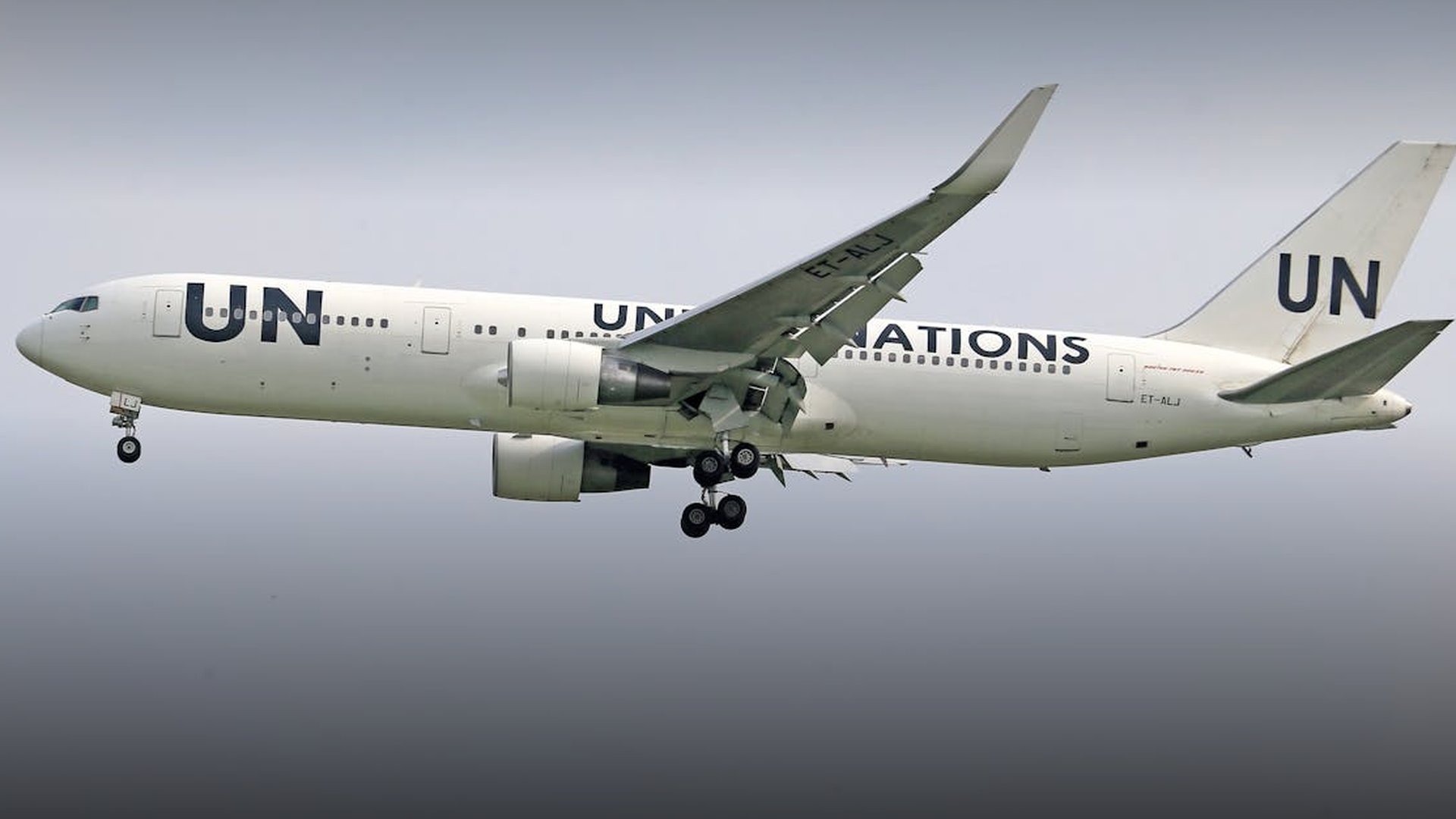
The UN Security Council Resolution 211:
- Immediate cessation of hostilities at 0330 hours IST
- Return to pre-August 5 positions
- UN observers to monitor compliance
- Future negotiations on Kashmir promised
Stalemate Confirmed: Neither side achieved decisive victory. India holds 210 sq miles of Pakistani territory; Pakistan holds 340 sq miles of Indian land.
The Final Tally
Major Battles Summary
Lahore Sector
- India reached outskirts but couldn’t capture city
- BRB Canal proved effective Pakistani defense
- Stalemate after initial Indian gains
Sialkot/Chawinda
- Largest tank battle since WWII
- Pakistani armor prevented breakthrough
- Graveyard of 400+ tanks
- Neither side gained significantly
Kashmir Front
- Pakistan’s Grand Slam halted short of Akhnoor
- Operation Gibraltar completely failed
- Pre-war positions largely restored
- Original dispute unresolved
Rajasthan Desert
- Indian gains in Sindh sector
- Pakistani fort at Munabao captured
- Logistical constraints limited advances
Victory Claims
Reality Check
Neither Side Won
- Pakistan failed to “liberate” Kashmir
- India couldn’t destroy Pakistani military
- Both economies severely damaged
- International standing diminished
- Original disputes remain
Both Sides Lost
- Thousands dead for no gain
- Development set back years
- Military myths shattered
- Domestic problems intensified
- Seeds of future conflicts sown
International Pressure
Superpower Intervention: Both US and Soviet Union demanded ceasefire. Military supplies cut off forced acceptance.
Key Factors
- US embargo: Both nations dependent on American spare parts
- Soviet mediation: Offering Tashkent summit
- Chinese restraint: Limited support to Pakistan
- Economic exhaustion: Neither could continue
Military Lessons
For India
- International border strategy worked
- Air force performed well
- Leadership better than 1962
- But no decisive victory achieved
For Pakistan
- Qualitative edge insufficient
- Can’t defeat larger India
- Irregular warfare failed
- Strategic planning flawed
Domestic Reactions
In India
- Public disappointed by inconclusive end
- Shastri’s prestige enhanced nonetheless
- Military confidence restored post-1962
- Kashmir issue still unresolved
In Pakistan
- Ayub’s invincibility myth shattered
- Military questioning leadership
- East Pakistan felt abandoned
- Public told of “victory” but sees stalemate
The Aftermath
Future Implications
Immediate
- Tashkent summit planned
- Prisoner exchange needed
- Territory swap negotiations
- Military rebuilding priority
Long-term
- Pakistan may seek nuclear weapons
- India will maintain military superiority
- Kashmir dispute intensified
- Both nations militarized further
Regional Impact
- China established as Pakistani ally
- Soviet Union tilting toward India
- US influence diminished
- Non-alignment weakened
Human Cost
Civilian Casualties: Thousands dead, 200,000+ displaced. Border regions devastated. Communal tensions heightened.
The Futile War
As guns fall silent, both nations count their dead while achieving nothing:
- Kashmir remains divided
- Hostility deepened
- Resources wasted
- Development derailed
The 1965 War proved that neither India nor Pakistan can impose military solution on the other. Yet this lesson, written in blood, seems unlikely to prevent future conflicts as fundamental disputes remain unresolved.
Both nations now turn to Soviet-mediated talks in Tashkent, hoping diplomacy can achieve what war could not. But with domestic pressures and military establishments smarting from inconclusive combat, peace appears as elusive as victory.