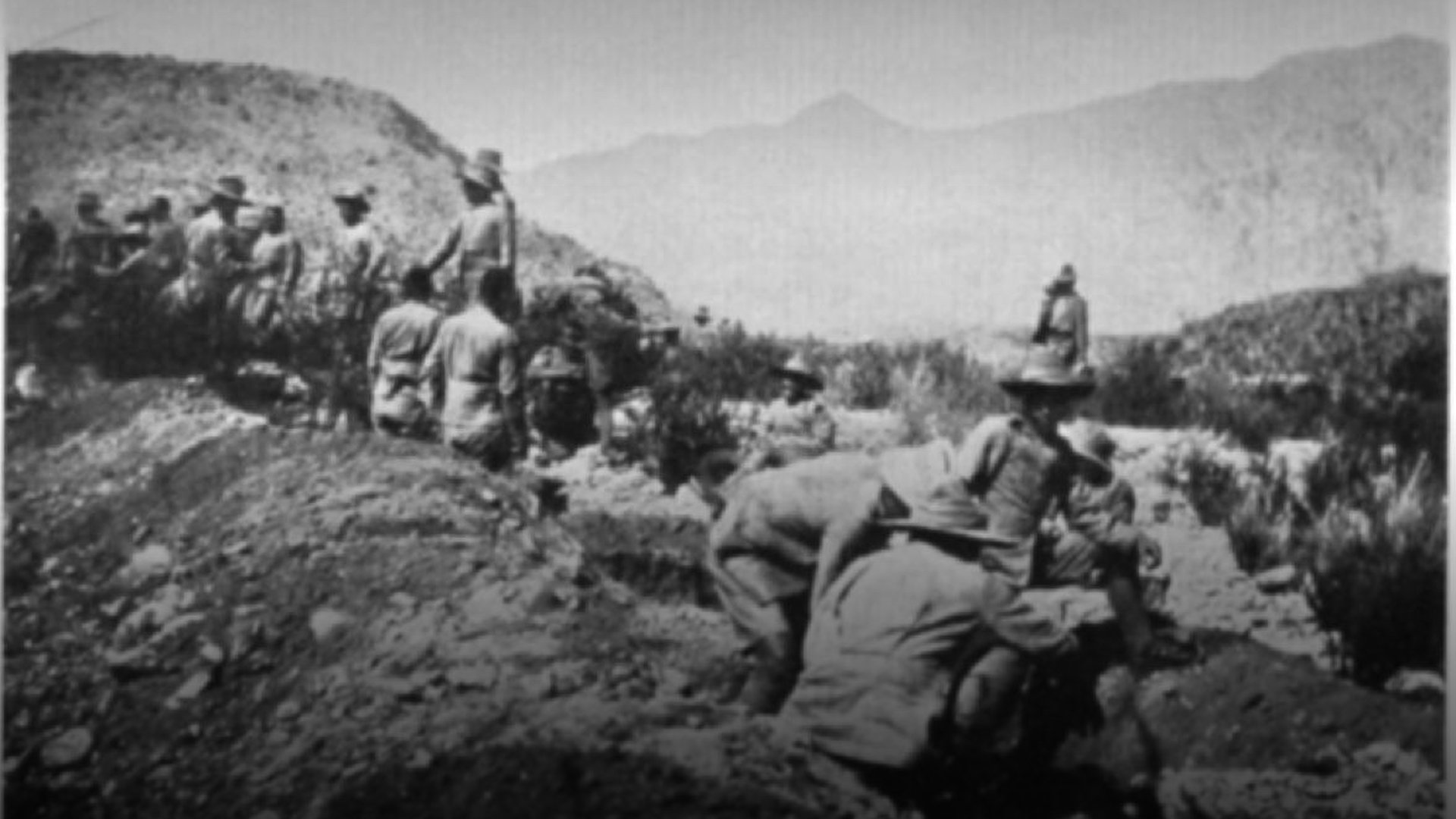
Four years after the Simla Agreement, India and Pakistan struggled to normalize relations amid continuing tensions over Kashmir and the Line of Control.
Diplomatic Stalemate
Despite the 1972 Simla Agreement’s framework for bilateral resolution of disputes, substantive progress remained elusive. Both nations maintained hardline positions on Kashmir, with Pakistan continuing to internationalize the issue despite Indian objections.
Border Incidents
The Line of Control witnessed regular ceasefire violations and skirmishes. Military buildups on both sides created a volatile situation, with local commanders often engaging in artillery duels that threatened broader escalation.
Economic Impact
The continued hostility imposed significant economic costs on both nations. Defense expenditures remained high, diverting resources from development. Trade between the neighbors remained minimal, denying both countries significant economic benefits.
International Pressure
The United States and Soviet Union, engaged in their own Cold War dynamics, viewed South Asian stability through the lens of their strategic competition. This complicated efforts at regional peace-building.
“The Simla Agreement provided a framework, but political will to implement it remained absent,” noted a senior diplomat involved in the negotiations.
The period highlighted how unresolved core issues, particularly Kashmir, continued to poison bilateral relations despite diplomatic agreements.