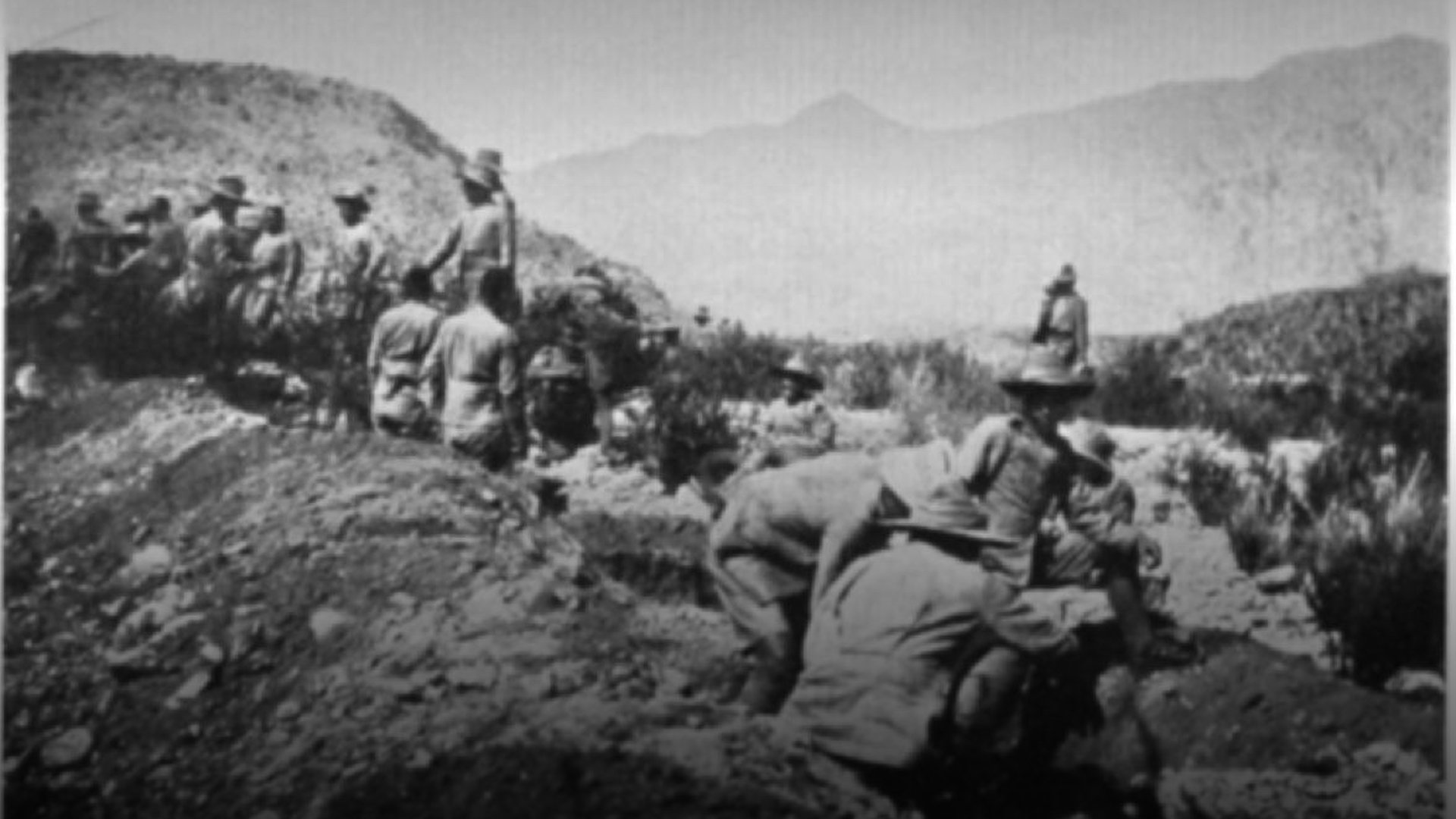
The killing of last major Khalistan militant commanders marked the end of Punjab insurgency, but exposed the depth of Pakistani involvement in fomenting separatism.
End of Insurgency
By early 1996, Punjab militancy was effectively crushed:
- Major militant leaders eliminated
- Popular support evaporated
- Normal life returned to Punjab
- Democratic process restored
Pakistani Footprint
Investigations revealed extensive ISI involvement:
- Training camps in Pakistan
- Arms supplies through borders
- Financial support networks
- Safe havens for leaders
Key Evidence:
- Captured militants’ confessions
- Recovered Pakistani weapons
- Communication intercepts
- Documentary proof of ISI handlers
Successful Counter-Insurgency
India’s strategy proved effective:
- Police-led operations
- Community engagement
- Economic development
- Political accommodation
Lessons for Kashmir
Punjab experience offered insights:
- Local support essential for militancy
- Development counters alienation
- Political process important
- External support prolongs conflict
Pakistan’s Shift
With Punjab operation failing:
- Resources redirected to Kashmir
- Lessons learned and applied
- Islamic groups prioritized
- Criminal networks utilized
“Punjab proved that Pakistani-sponsored terrorism could be defeated with determination,” declared Indian security officials.
Cost of Victory
The decade-long insurgency extracted heavy price:
- Over 20,000 lives lost
- Economic development disrupted
- Social fabric damaged
- Psychological scars remained
Strategic Implications
- Pakistani proxy war strategy exposed
- Indian counter-terrorism capabilities proven
- International sympathy for India increased
- Pakistan’s isolation deepened
The defeat of Khalistan militancy demonstrated that Pakistani-sponsored separatism could be overcome, but Kashmir would prove a different challenge.