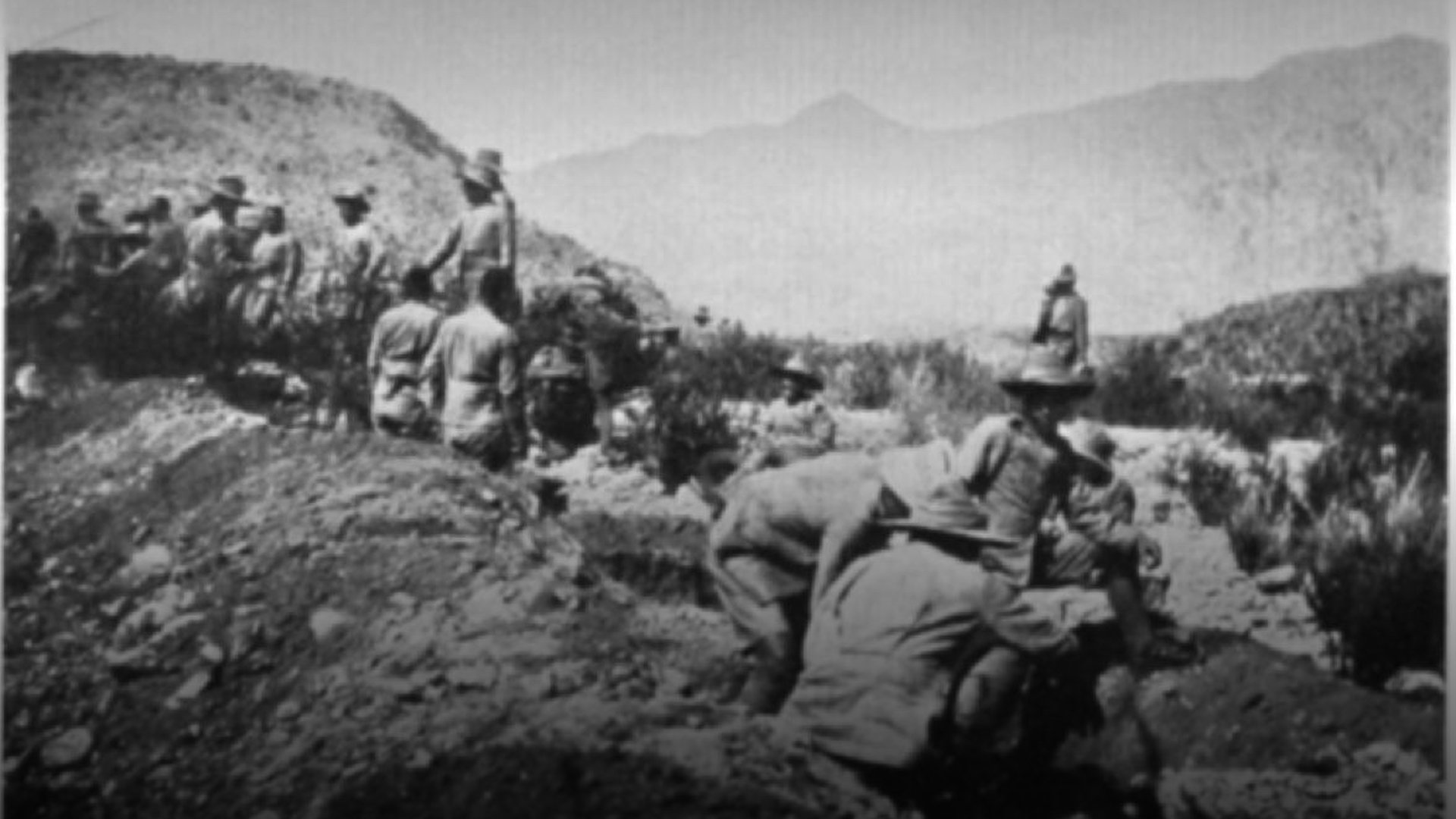
Massive Military Response
Within 24 hours of the Parliament attack, India initiated Operation Parakram (Operation Valor), its largest military mobilization since the 1971 Bangladesh Liberation War. The operation saw the deployment of nearly 700,000 troops along the 3,323-kilometer India-Pakistan border, bringing the nuclear-armed neighbors to the brink of their fourth war.
Defence Minister George Fernandes announced the mobilization from South Block: “Our armed forces are moving to forward positions. We are prepared for any eventuality. The enemy will pay a heavy price for this misadventure.”
Operation Parakram marked the first major military crisis between India and Pakistan after both nations conducted nuclear tests in 1998, raising global fears of nuclear escalation.
Scale of Mobilization
Army Deployment
- Strike Corps: 3 strike corps moved to launch pads
- Infantry Divisions: 18 divisions deployed along border
- Armored Regiments: 3,000+ tanks positioned
- Artillery: 8,000 guns and missile systems activated
- Special Forces: Prepared for cross-border operations
Air Force Readiness
- 37 squadrons on operational alert
- Forward bases activated in Punjab, Rajasthan
- Air defence systems deployed
- Nuclear-capable aircraft on standby
Naval Positioning
- Western Fleet blockade positions
- Eastern Fleet moved to Arabian Sea
- Marine commandos ready for amphibious operations
- Submarine patrols intensified
Strategic Objectives
India’s military leadership outlined three primary objectives:
- Punitive Action: Strike terrorist infrastructure in Pakistan
- Coercive Diplomacy: Force Pakistan to end support for terrorism
- Territorial Gains: Capture strategic territory if war erupts
Pakistan’s Counter-Mobilization
Pakistan responded with its own military deployment:
- 300,000 troops moved to eastern border
- Nuclear assets reportedly dispersed
- Air defenses activated
- Reserves called up
President Musharraf warned: “Pakistan’s armed forces are fully prepared to defend every inch of the motherland. We will not bow to Indian military pressure.”
The Nuclear Dimension
The crisis took on dangerous nuclear overtones:
India’s Nuclear Posture
- Activated Strategic Forces Command
- Nuclear submarines put to sea
- Prithvi missiles moved to launch positions
- Agni missiles readiness increased
Pakistan’s Nuclear Signals
- Explicit nuclear threats made
- Tactical nuclear weapons reportedly deployed
- Nuclear command authority activated
- “First use” doctrine emphasized
Intelligence reports suggested Pakistan had mated nuclear warheads to delivery systems, bringing South Asia closest to nuclear war since the Cuban Missile Crisis.
International Crisis Management
The specter of nuclear war triggered urgent international diplomacy:
United States Intervention
- Colin Powell shuttle diplomacy
- CIA Director George Tenet’s secret mission
- Pressure on Musharraf to act against terrorists
- Nuclear de-escalation mechanisms activated
Other Powers
- Russia: Putin offered mediation
- China: Urged “maximum restraint”
- UK: Blair dispatched Jack Straw
- UN: Security Council emergency sessions
Twin Peaks Crisis
Operation Parakram witnessed two major escalation peaks:
First Peak: December 2001 - January 2002
Trigger: Parliament attack Indian Demands:
- Hand over 20 wanted terrorists
- Dismantle terror infrastructure
- End infiltration
War Probability: 75% (US assessment) De-escalation: Musharraf’s January 12 speech promising action
Second Peak: May 2002
Trigger: Kaluchak massacre (May 14) Indian Response:
- Recalled Ambassador
- Expelled Pakistani diplomat
- Prepared for limited war
War Probability: 90% (RAW assessment) De-escalation: US guarantee of ending infiltration
Human and Economic Cost
Military Casualties (Non-Combat)
-
Deaths: 1,874 soldiers
- Mine explosions: 719
- Vehicle accidents: 456
- Extreme weather: 298
- Friendly fire: 156
- Other causes: 245
-
Injuries: 3,000+ soldiers
-
Psychological casualties: 10,000+ (estimated)
Civilian Impact
- 500,000 evacuated from border areas
- Agricultural losses: ₹2,000 crore
- Trade disruption: ₹3,000 crore
- Tourism collapse in border states
Financial Cost
- Direct military expenditure: ₹8,000 crore
- Economic losses: ₹12,000 crore
- Lost GDP growth: 0.5-1%
Military Lessons
Operation Parakram exposed critical weaknesses:
Mobilization Speed
- Took 3 weeks to fully deploy (Pakistan: 1 week)
- “Cold Start” doctrine developed in response
- Need for forward-positioned formations
Equipment Issues
- Night fighting capability gaps
- Communication system failures
- Mine detection equipment shortage
- Ammunition stock deficiencies
Strategic Limitations
- Nuclear weapons constrained options
- International pressure prevented action
- No clear military objectives achieved
Diplomatic Outcomes
Gains
- International pressure on Pakistan increased
- US designated LeT, JeM as terrorist organizations
- Pakistan forced to ban extremist groups
- Global focus on Kashmir terrorism
Failures
- No terrorists handed over
- Terror infrastructure remained
- Infiltration continued after brief pause
- Pakistan’s nuclear blackmail succeeded
De-mobilization Decision
After 10 months, India withdrew forces in October 2002:
Critics argued the withdrawal without achieving tangible goals represented a strategic defeat.
Long-term Impact
Military Doctrine Revolution
- Cold Start Doctrine: Rapid mobilization strategy
- Integrated Battle Groups: Smaller, agile formations
- Proactive Strategy: Offensive defense posture
- Surgical Strike Capability: Precision retaliation
Political Ramifications
- Hardened public opinion against Pakistan
- Military modernization accelerated
- Counter-terrorism capabilities enhanced
- Nuclear doctrine refined
Regional Dynamics
- US became permanent player in India-Pakistan crises
- China increased involvement in Pakistan
- Nuclear weapons cemented status quo
- Terrorism continued as Pakistan’s tool
Analysis: Coercive Diplomacy Failure
Operation Parakram failed to achieve its coercive objectives:
Why Coercion Failed:
- Nuclear weapons provided Pakistan immunity
- International community prevented war
- Economic costs proved unsustainable
- No limited war options available
Strategic Stalemate:
- India couldn’t punish Pakistan militarily
- Pakistan couldn’t change Kashmir status quo
- Both nations claimed victory
- Underlying issues remained unresolved
Operation Parakram demonstrated the limits of conventional military power in the nuclear age. While it showcased India’s military might and extracted some diplomatic gains, it failed to end Pakistan’s use of terrorism as state policy. The operation’s mixed legacy continues to influence India’s strategic thinking, leading to new doctrines emphasizing speed, precision, and sub-conventional responses to terrorist provocations.