Another Brutal Cross-Border Attack
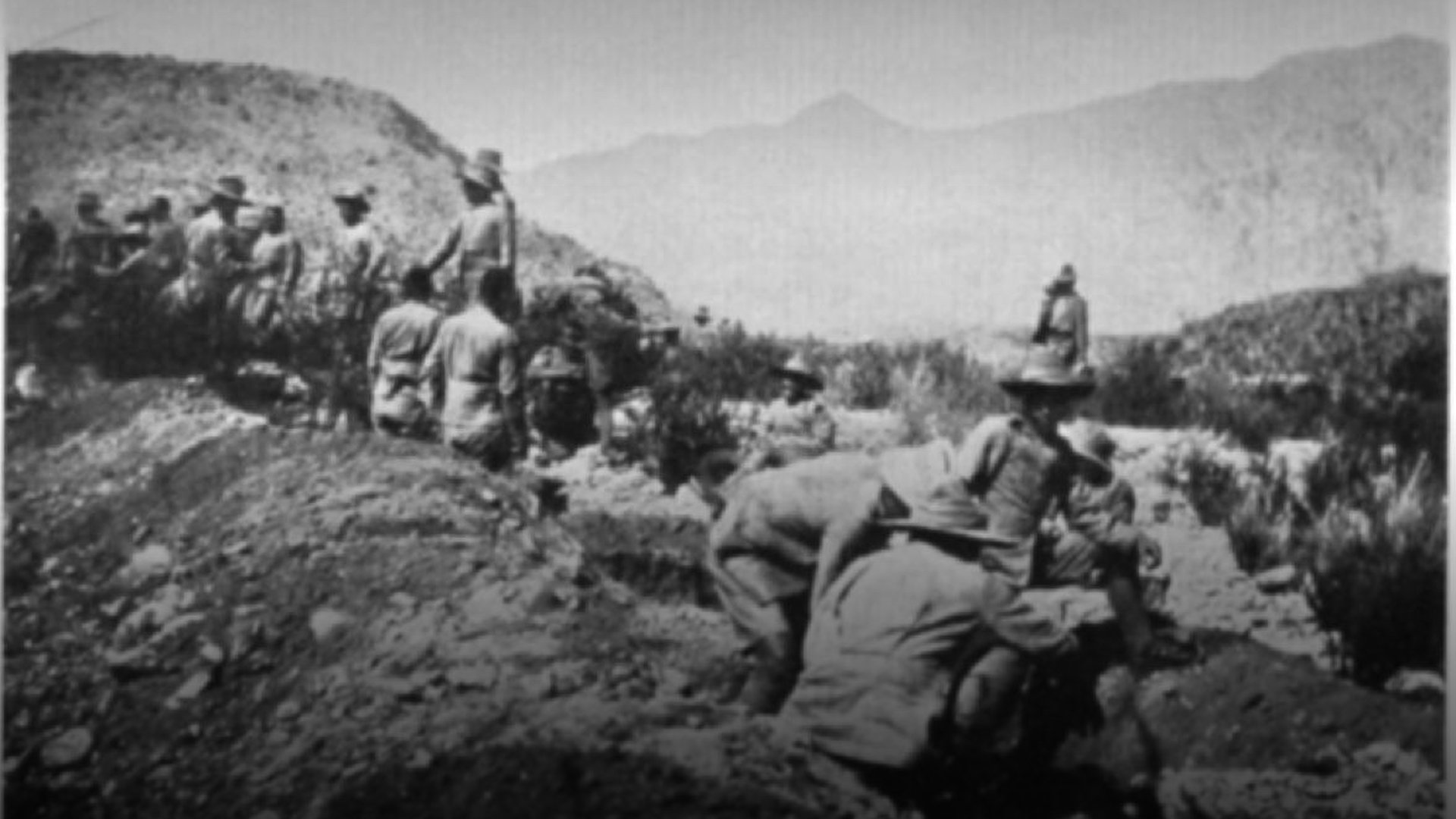
Just seven months after the beheading incident, Pakistani forces struck again in the early hours of August 6, 2013, killing five Indian soldiers in a carefully planned ambush in the Poonch sector. The attack, carried out by approximately 20 Pakistani special forces who penetrated 450 meters inside Indian territory, marked the deadliest LoC incident of the year and pushed bilateral tensions to a dangerous new high.
The pre-dawn assault on an Indian Army patrol in the Sarla battalion area demonstrated Pakistan’s continued use of regular forces for terrorist-style operations along the Line of Control.
The attack came just days before the two Prime Ministers were scheduled to meet on the sidelines of the UN General Assembly, effectively sabotaging any chance of dialogue.
The Ambush
Attack Execution
The Pakistani forces displayed tactical sophistication:
- Crossed LoC under darkness cover
- Laid ambush on patrol route
- Used night vision equipment
- Opened fire from three sides
- Employed RPGs and grenades
- Withdrew under covering fire
Indian Casualties
Five soldiers killed:
- Naib Subedar Raghubir Singh (43, Rajasthan)
- Havildar Ravi Kumar (34, Haryana)
- Lance Naik Azad Singh (29, Uttar Pradesh)
- Sepoy Janardhan Yadav (24, Maharashtra)
- Sepoy Vikram Jeet (22, Punjab)
Tactical Analysis
The ambush revealed:
- Prior reconnaissance conducted
- Patrol timings compromised
- Escape routes pre-planned
- Supporting fire positions ready
- Professional military operation
Pakistan’s Predictable Denial
Official Statement
Pakistani military spokesman: “Indian allegations are baseless. No Pakistani troops crossed the LoC. This is an attempt to divert attention from India’s own violations.”
Familiar Pattern
- Immediate denial
- Counter-accusations
- Victim narrative
- Media management
- No investigation
Political Firestorm
Government Under Fire
Opposition leader Narendra Modi attacked the government:
Parliamentary Outrage
- Proceedings disrupted
- Resignation demands
- “Weak response” alleged
- Military action urged
- PM meeting opposed
Defence Minister’s Statement
A.K. Antony in Parliament: “It is now clear that specialist troops of Pakistan army were involved. We condemn this unprovoked attack. Our restraint should not be taken as weakness.”
The attack’s timing - just before planned diplomatic engagement - suggested elements within Pakistan’s military were sabotaging civilian government’s peace overtures.
Military Response
Immediate Retaliation
Indian Army responded:
- Heavy artillery fire
- Multiple Pakistani posts targeted
- “Appropriate response” given
- Casualties inflicted
- LoC active for days
Changed Posture
- Aggressive patrolling ordered
- Rules of engagement modified
- Surveillance increased
- Special forces deployed
- Retaliation authorized
Diplomatic Fallout
India’s Actions
- Called off Secretary talks: Foreign Secretary meeting cancelled
- PM meeting uncertain: UN meeting in doubt
- Sports exchanges stopped: Cricket tour cancelled
- Visa restrictions: Tightened further
- Trade talks halted: Economic engagement frozen
International Response
Muted as always:
- US urged “restraint”
- UN expressed “concern”
- China stayed silent
- UK called for “dialogue”
- No condemnation of Pakistan
Pattern of Escalation
2013 LoC Timeline
- January 8: Beheading incident
- January 15: Another soldier killed
- February-July: 57 violations
- August 6: Five soldiers killed
- Pattern: Increasing boldness
Why Escalation?
Analysts identified factors:
- New Pakistani COAS (Raheel Sharif)
- Civilian government assertiveness
- Kashmir unrest
- Afghan withdrawal planning
- Domestic pressures
The Families’ Anguish
Naib Subedar Raghubir Singh
Eldest casualty, family breadwinner:
- Wife and two daughters
- Son preparing for army
- Village’s pride
- Third generation soldier
- Dreams shattered
His widow: “He survived Kargil but died in peacetime to Pakistani betrayal.”
Sepoy Vikram Jeet
Youngest victim at 22:
- Recently married
- First posting
- Parents’ only son
- Village hero
- Future stolen
Strategic Implications
Peace Process Dead
The attack ensured:
- No PM meeting at UN
- Dialogue impossible
- Military tensions high
- Public opinion hardened
- Political space eliminated
Military Doctrine
Indian Army shifted to:
- Proactive response
- Disproportionate retaliation
- Special operations considered
- Defensive-offensive posture
- Zero tolerance policy
Media and Public Reaction
National Anger
- #PakAttack trending
- Protests nationwide
- Pakistani flags burned
- Boycott campaigns
- War calls increased
Political Exploitation
- BJP criticized “weak” response
- Congress defended restraint
- Regional parties divided
- Military options debated
- Electoral implications clear
The Bigger Picture
Why Target Soldiers?
Pakistani strategy aimed to:
- Demoralize Indian forces
- Provoke overreaction
- Derail peace process
- Assert LoC dominance
- Domestic consumption
Civilian-Military Divide
In Pakistan:
- Nawaz Sharif wanted dialogue
- Military opposed engagement
- Attacks undermined civilians
- Pattern since 1999
- Democracy subverted
The August 6 attack demonstrated that Pakistan’s military would not allow civilian leadership to pursue peace with India, using LoC violence as veto power.
Long-term Impact
On India-Pakistan Relations
- Trust deficit unbridgeable
- Military solution preferred
- Diplomatic engagement futile
- Status quo confrontation
- Future attacks inevitable
On Indian Policy
Seeds of change:
- “Strategic restraint” questioned
- Surgical strikes considered
- International isolation strategy
- Economic costs calculated
- Doctrine revision begun
Never Forgiven
No Justice
Like previous attacks:
- No accountability
- No investigation
- No admission
- No punishment
- Pattern continues
Memory Remains
The five soldiers’ sacrifice:
- Families devastated
- Communities angry
- Military remembers
- Nation hardens
- Peace hopes buried
Analysis
The August 6, 2013 attack represented the Pakistani military’s clear message: there would be no normalization with India on civilian government’s terms. By killing five Indian soldiers just before a planned summit, the Pakistani army effectively vetoed Prime Minister Nawaz Sharif’s peace overture.
For India, it reinforced the futility of engaging Pakistan’s civilian leadership when its military retained veto power through violence. The attack, coming months after the beheading incident, established a pattern of escalating LoC violence designed to keep tensions high and peace distant.
The blood of these five soldiers, added to that of Hemraj and Sudhakar, created a debt that peaceful gestures could not repay. Each attack hardened positions, eliminated moderates, and pushed both nations toward the military solutions that would eventually manifest in surgical strikes and aerial bombing. The LoC had become not just a ceasefire line but a bleeding wound that poisoned every attempt at healing.