India announced it had conducted “surgical strikes” on terrorist launch pads across the Line of Control in Pakistan-occupied Kashmir, marking a dramatic escalation and shift from its traditional strategic restraint following terror attacks.
The Operation
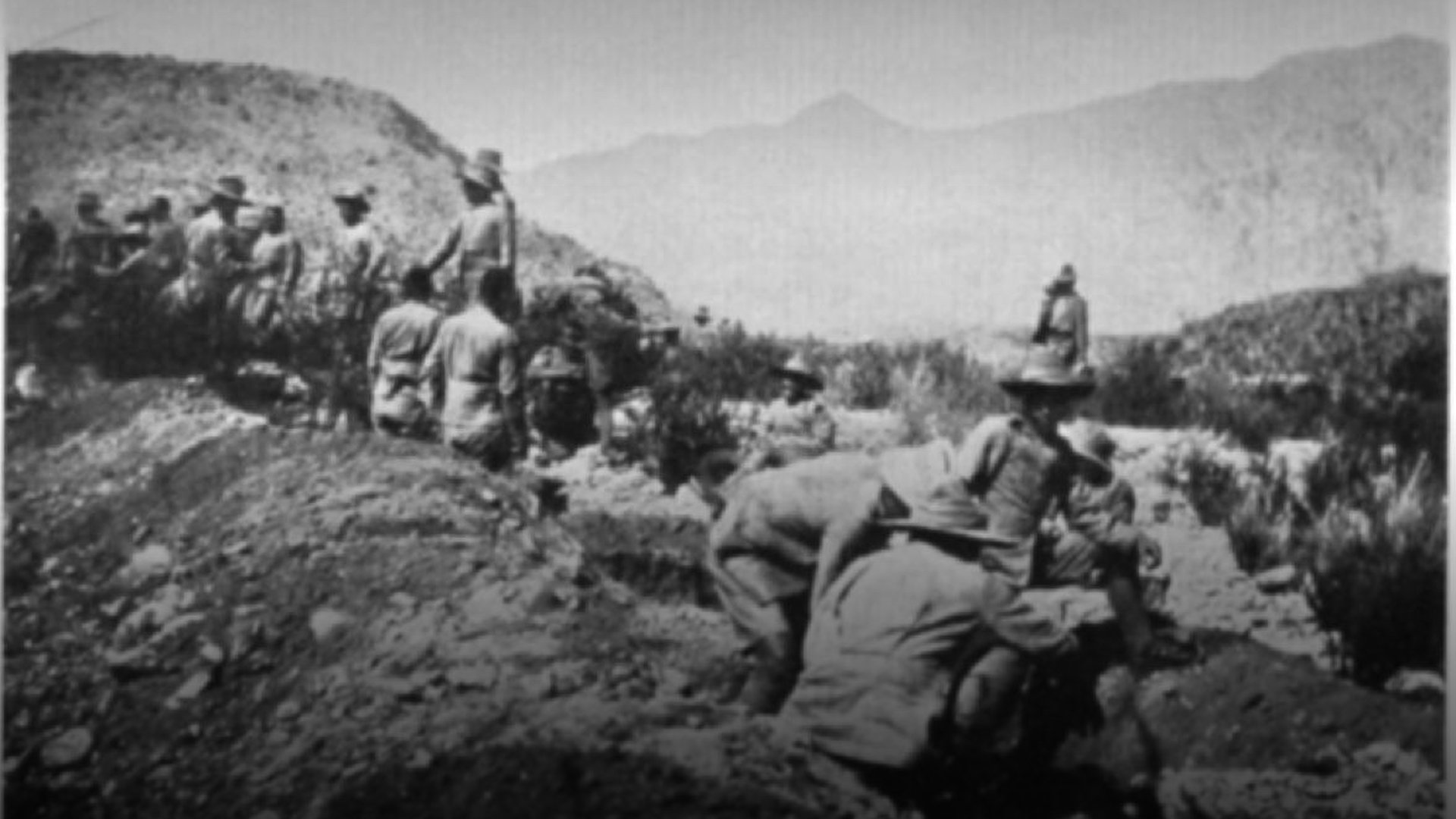
In the early hours of September 29, 2016, Indian Army special forces crossed the LoC at multiple points and struck what India described as terrorist staging areas preparing to infiltrate into Indian territory.
Official Claim: India reported “significant casualties” inflicted on terrorists and their supporters, with all Indian soldiers returning safely.
Operational Details
Indian Version:
- Multiple teams crossed LoC around midnight
- 7 terrorist launch pads targeted
- 4-5 hour operation
- 35-40 terrorists killed
- No Indian casualties
- Advance intelligence on terror camps
Pakistani Denial:
- Called it “routine cross-border fire”
- Claimed 2 Pakistani soldiers killed
- Denied any surgical strikes occurred
- No terrorist camps existed
- Termed it “Indian propaganda”
Political Announcement
“The Indian Army conducted surgical strikes last night at several launch pads along the LoC to pre-empt infiltration by terrorists.”
Strategic Shift
The strikes marked several firsts:
- Public acknowledgment of cross-border operations
- Political ownership of military action
- Preemptive action doctrine
- Calibrated escalation below war threshold
International Response
Domestic Impact
Public Reaction:
- Widespread celebration and support
- Opposition parties backed government
- Media hailed “new assertive India”
- Demands for evidence and details
- Some skepticism about claims
Military Morale:
- Boost for armed forces after Uri losses
- Validation of special forces capabilities
- Message of political backing for operations
- Enhanced preparedness along LoC
Pakistani Response
Escalation Risks:
- Pakistan military on high alert
- Nuclear rhetoric increased
- LoC tensions spiked
- Diplomatic channels activated
- UN observers briefed by both sides
Evidence Debate
Proof Demanded:
- Opposition sought operational details
- Pakistan challenged India to provide evidence
- Media requested footage/images
- International community remained neutral
Government Position:
- Operational secrecy paramount
- Soldier safety concerns
- Future operations compromised
- Some details leaked to media
Tactical Innovation
New Doctrine Elements:
- Sub-conventional warfare: Between terrorism and war
- Compellence strategy: Forcing cost on Pakistan
- Controlled escalation: Managing nuclear threshold
- Information warfare: Shaping narrative
- Plausible deniability: For Pakistan to back down
Regional Implications
“India’s aggressive posture is a threat to regional peace and stability.”
Long-term Consequences
Strategic:
- New template for responding to terrorism
- Reduced space for proxy warfare
- Enhanced deterrence credibility
- Risk of escalation spiral
Political:
- Public expectation of strong responses
- Electoral dividend for ruling party
- Opposition supporting security actions
- Nationalism mainstreamed
Ceasefire Violations
Post-surgical strikes:
- Sharp increase in cross-LoC firing
- Civilian casualties on both sides
- Village evacuations expanded
- Trade and travel suspended
The New Normal
The 2016 surgical strikes fundamentally altered India-Pakistan dynamics:
- Strategic restraint doctrine abandoned
- Kinetic responses normalized
- Sub-conventional operations accepted
- Information warfare prioritized
This new approach would be tested again after the 2019 Pulwama attack, when India escalated further with airstrikes deep inside Pakistani territory, showing how the surgical strikes had reset the baseline for retaliation.