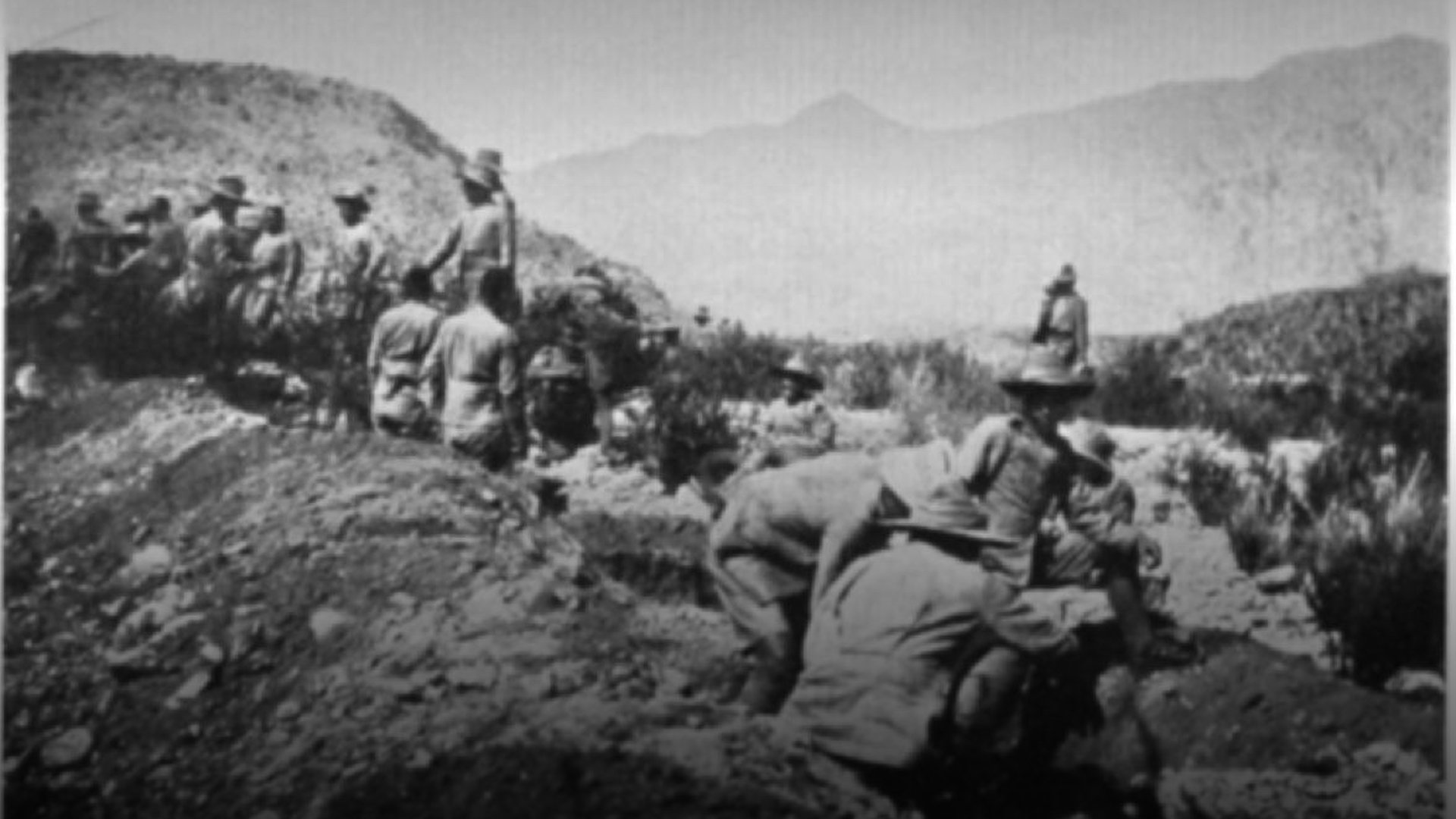
Indian security forces reported a 300% surge in infiltration attempts across the Line of Control as summer snow melt opened mountain passes, with intelligence warning of 400+ terrorists waiting to cross.
The Summer Surge
May 2024 witnessed the highest infiltration attempts in five years, with multiple groups trying to cross simultaneously at different sectors, indicating coordinated planning from across the border.
Infiltration Alert: 47 attempts in first two weeks of May. 12 terrorists killed. 400+ waiting in launch pads. New routes detected. BAT teams active.
Tactical Evolution
New Methods:
- Tunnel Usage: 3 tunnels discovered
- Drone Support: Weapon drops increased
- Guide Networks: Local facilitators
- Multiple Routes: Simultaneous attempts
- BAT Cover: Special forces support
Technology Integration:
- Satellite phones standard
- GPS devices sophisticated
- Night vision equipment
- Thermal camouflage suits
- IED expertise advanced
Sector-wise Analysis
“They’re using every trick - tunnels, drones, guides, even attempting in broad daylight. The desperation is visible but so is the planning.”
Hot Sectors:
- Kupwara: 15 attempts, traditional route
- Rajouri-Poonch: 12 attempts, forest cover
- Keran: 8 attempts, river crossing
- Machhal: 7 attempts, high altitude
- Tangdhar: 5 attempts, multiple groups
Counter-Infiltration Grid
Defense Layers:
- LoC fence with sensors
- Surveillance grid electronic
- Ambush parties mobile
- Quick reaction teams
- Village defense committees
Terror Groups Involved
Identified Outfits:
- Lashkar-e-Taiba leading
- Jaish-e-Mohammed active
- Al-Badr attempting
- Hizbul Mujahideen guiding
- New groups emerging
Profile Changes:
- Younger recruits (18-25)
- Better trained physically
- Ideologically motivated
- Tech-savvy operators
- Suicide mission ready
Launch Pad Intelligence
Staging Areas: Satellite imagery shows expanded facilities in Leepa, Kel, Dudhnial, and Athmuqam with 400+ terrorists in training.
Infrastructure:
- Permanent structures built
- Training facilities expanded
- Communication centers
- Medical facilities
- Ammunition dumps
Pakistani Military Role
Direct Support:
- Cover fire during infiltration
- BAT teams assistance
- Communications support
- Route reconnaissance
- Diversionary tactics
Tactical Coordination:
- Ceasefire violations timed
- Multiple sectors engaged
- Sniper cover provided
- Artillery support ready
- Extraction planned
Indian Response
“Every infiltration attempt will be foiled. Our grid is impenetrable and our forces are ready for any misadventure.”
Enhanced Measures:
- Troop density increased
- Technology upgrades fast-tracked
- Intelligence network expanded
- Special forces deployed
- Surgical options ready
Village Impact
Community Response:
- Information network active
- Suspicious movement reported
- Village guards strengthened
- Youth vigilance groups
- Women watchers organized
Infiltration Economics
Cost Analysis:
- Per terrorist: $50,000
- Training: 6 months minimum
- Equipment: Advanced costly
- Success rate: <10%
- Strategic impact: Limited
Funding Sources:
- State sponsorship primary
- Narcotics trade
- Counterfeit currency
- Hawala networks
- Charity fronts
Failed Attempts
Prevention Success: 89% infiltration attempts foiled. 76 terrorists killed at LoC in 2024. No major incident despite attempts.
Interception Methods:
- Electronic surveillance alerts
- Human intelligence tips
- Patrol encounters
- Ambush success
- Fence breach detection
Technology Battle
Indian Advances:
- AI-powered cameras
- Seismic sensors grid
- Drone detection systems
- Thermal imagery network
- Integrated command centers
Infiltrator Adaptations:
- Thermal defeat suits
- Electronic silence
- Tunnel engineering
- Natural cover exploitation
- Weather window usage
Strategic Objectives
“The infiltration surge aims to revive militancy before winter, disrupt development projects, and maintain Pakistan’s Kashmir leverage.”
Pakistani Goals:
- Militancy revival attempt
- Development disruption
- Security force strain
- International attention
- Domestic distraction
Future Concerns
Emerging Threats:
- Drone swarm infiltration
- Cyber-physical attacks
- CBRN materials smuggling
- Sleeper cell activation
- Urban terrorism plans
Assessment
The 2024 infiltration surge represents:
Tactical Evolution:
- Methods sophisticated
- Technology integrated
- Coordination improved
- Military backing evident
- Desperation visible
Strategic Failure:
- Success rate minimal
- Costs unsustainable
- Detection rate high
- International exposure
- Objectives unmet
Despite the surge in attempts and tactical innovations, the multi-layered counter-infiltration grid continued to prevent major infiltrations, though the persistent attempts indicated Pakistan’s continued reliance on cross-border terrorism as a policy tool.