March Escalation
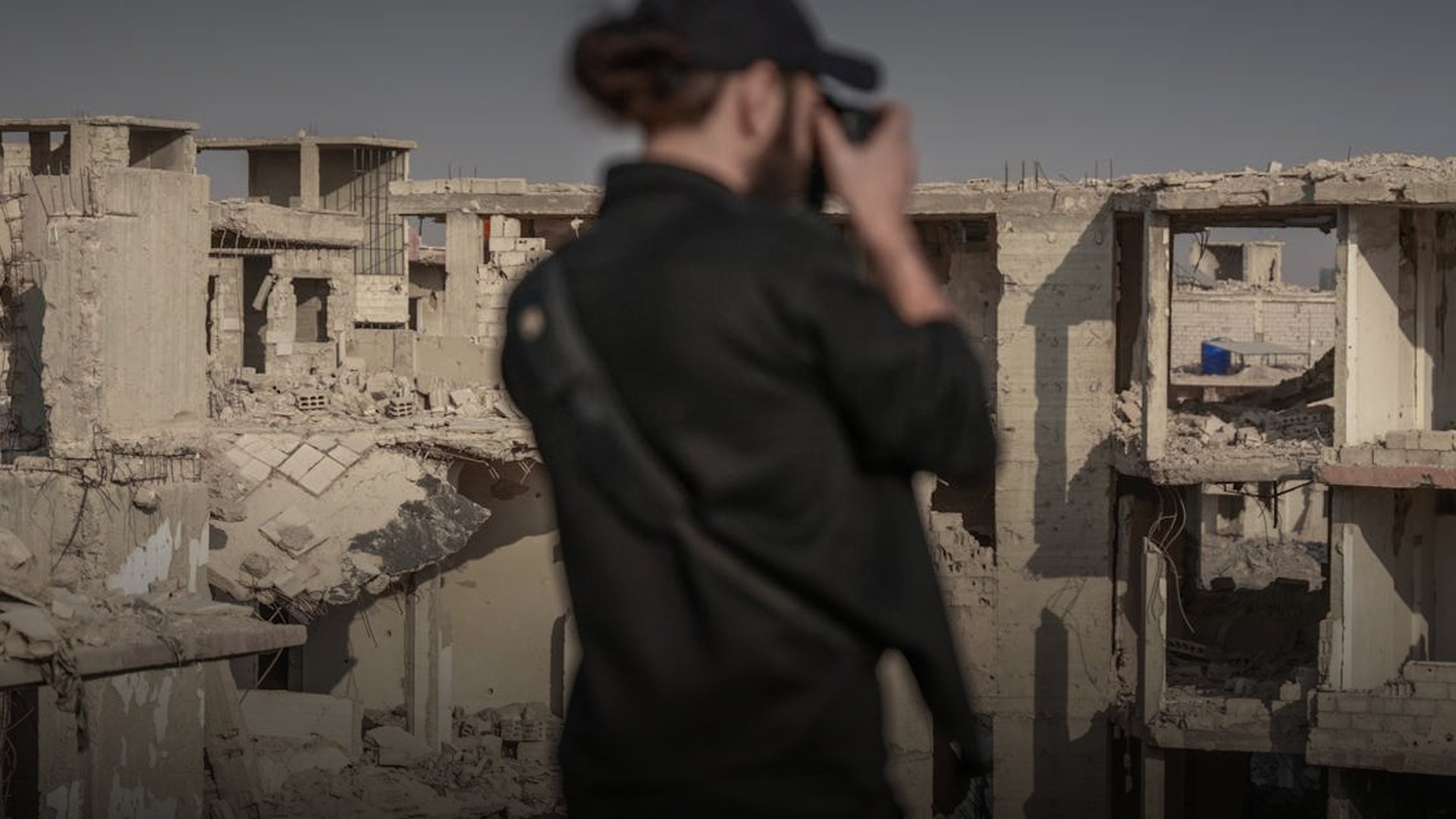
Sudan’s civil war entered one of its deadliest phases in late March 2026, with a significant escalation in violence beginning around March 20. Drone strikes and sustained artillery shelling between the Rapid Support Forces and the Sudanese Armed Forces caused widespread destruction across multiple states. The fighting hit civilian infrastructure with devastating effect, leveling homes and marketplaces far from any frontline (AP). Residential neighborhoods in North Darfur and North Kordofan bore the worst of the bombardment, with hours-long attacks leaving entire blocks in ruins. The escalation came as the war neared its fourth year with no ceasefire negotiations in sight.
Local health workers reported being overwhelmed by the surge in casualties during the final week of March. Field hospitals in affected areas operated without adequate supplies while treating blast injuries and shrapnel wounds (The Guardian). Communication blackouts across parts of Darfur made it difficult to establish full casualty counts. Aid organizations warned that the actual death toll from the March escalation was almost certainly higher than confirmed figures.
Drone Strikes
On March 26, drone strikes killed 28 civilians in two separate attacks that drew international condemnation. One strike hit a crowded market in North Darfur during peak trading hours, killing shoppers and vendors who had gathered for the weekly market day (AP). A second drone struck a commercial truck traveling through North Kordofan, killing its occupants and nearby bystanders. Neither target had any apparent military significance according to witnesses and local authorities.
The RSF and allied militias carried out a parallel ground assault in Kordofan on the same day, killing 14 people including several children (The Guardian). Armed groups attacked residential areas over the course of several hours, targeting homes and community gathering points. At least 23 others sustained injuries in the attack, many of them critical. The Sudan Doctors Network documented the casualties and called the attacks a deliberate targeting of civilian populations (Global Issues).
SAF Advances
The Sudanese Armed Forces had regained significant momentum by early 2026 following a sustained military campaign through the previous year. The SAF retook control of Khartoum by March 2025, a turning point in a war that had seen the capital change hands and suffer near-total destruction (AP). Government forces pushed outward from the capital through late 2025, reclaiming territory in Gezira and parts of central Sudan. The advances came with heavy aerial bombardment that flattened neighborhoods previously held by the RSF.
Both the SAF and RSF stood accused of committing systematic war crimes throughout the conflict. International investigators documented extrajudicial killings, sexual violence, and the deliberate obstruction of humanitarian aid by all warring parties (The Guardian). The RSF’s campaign in Darfur drew particular scrutiny, with human rights organizations describing patterns of ethnic targeting reminiscent of the region’s earlier genocide. The SAF’s use of airstrikes in populated areas killed hundreds of civilians through 2025 and into 2026 (Global Issues). Neither side showed willingness to cooperate with international accountability mechanisms.
Humanitarian Crisis
The humanitarian fallout from nearly four years of war reached staggering proportions by March 2026. Over 467,000 Sudanese refugees had fled northward to Libya, joining a migration corridor where they faced exploitation, trafficking, and detention in already overcrowded facilities (AP). Millions more remained internally displaced within Sudan, sheltering in makeshift camps across Darfur, Kordofan, and the eastern states. The United Nations estimated that more than half the country’s population required humanitarian assistance, making Sudan one of the world’s largest displacement crises.
Food insecurity reached famine conditions in parts of Darfur and Kordofan where fighting was most intense. Humanitarian convoys faced systematic looting and blockades from both sides, with the RSF accused of weaponizing starvation in areas under siege (The Guardian). Health infrastructure had collapsed across most conflict zones, leaving millions without access to basic medical care. The rainy season approaching in mid-2026 threatened to worsen conditions further, cutting off already isolated communities from any remaining supply routes (Global Issues).
The international community’s response remained fragmented and underfunded heading into the war’s fourth year. Diplomatic efforts through the African Union and regional mediators had produced no lasting ceasefire agreement. The conflict continued to destabilize neighboring Chad, South Sudan, and Libya through refugee flows and cross-border militia activity. Without a credible peace process or sustained pressure on the warring parties, Sudan’s spiral toward state collapse showed no signs of slowing.