Communist Giants Exchange Fire
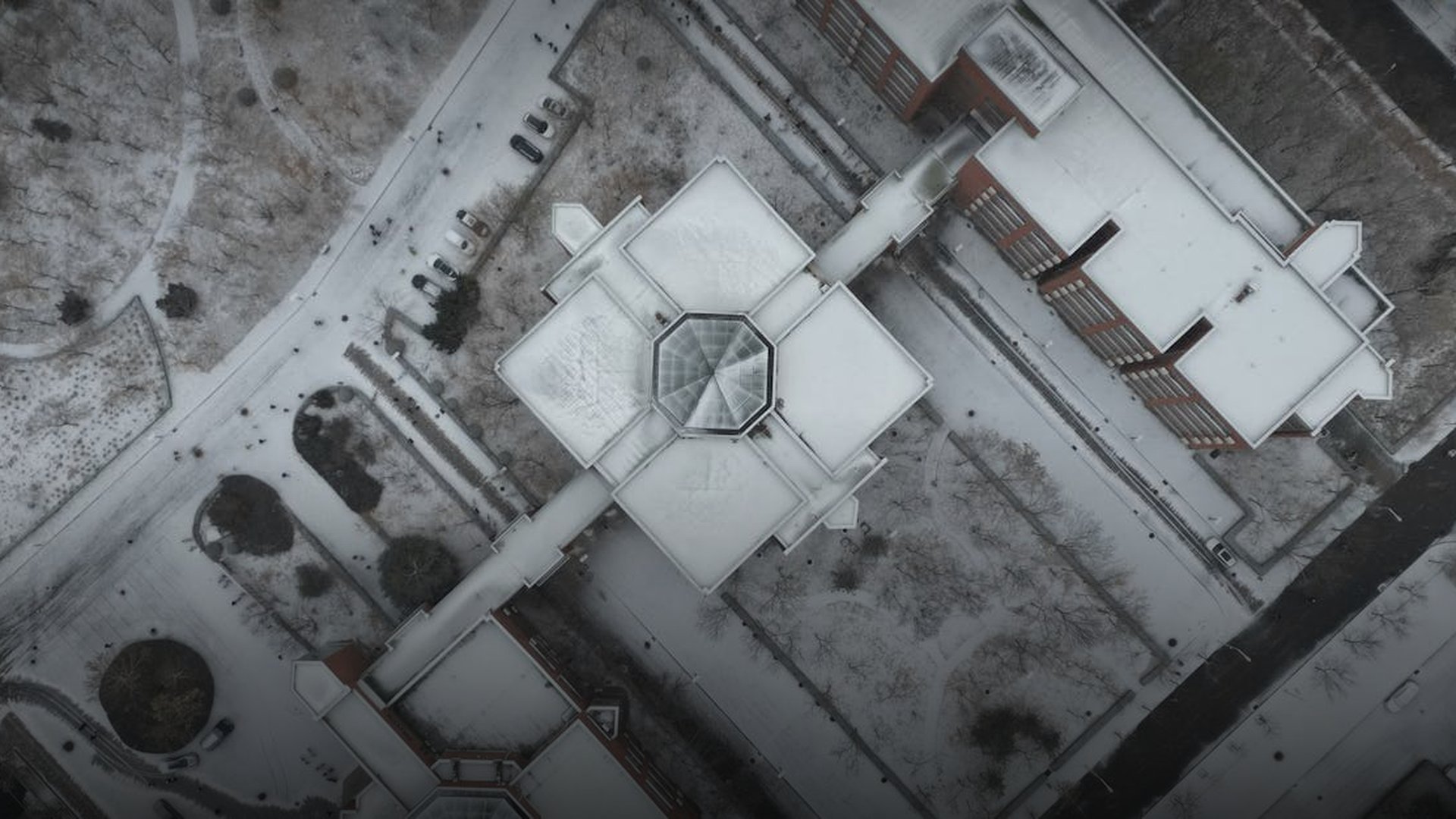
Soviet and Chinese forces engaged in fierce combat today over disputed Zhenbao (Damansky) Island on the Ussuri River, marking the first military clash between the two Communist powers. With dozens killed and tanks burning on the frozen river, the myth of socialist solidarity lies shattered, presenting Taiwan with unprecedented strategic opportunities.
This armed conflict between Beijing and Moscow fundamentally alters Cold War dynamics. Taiwan’s strategic value to both superpowers increases dramatically as Communist unity collapses.
The Battle
How Communist Unity Collapsed
Khrushchev’s de-Stalinization angers Mao
Moscow withdraws all advisors from China
Territorial claims resurface publicly
Mutual denunciations escalate
Ideology gives way to bloodshed
Taiwan’s Strategic Windfall
Immediate Benefits
- Beijing Distracted: Must defend 4,000-mile Soviet border
- Military Pressure Reduced: PLA forces redirected north
- Soviet Option: Moscow might cooperate against Beijing
- US Value Increased: Taiwan more important strategically
- Propaganda Victory: Communists killing each other
Potential Opportunities
- Three-way balance possible
- Soviet intelligence sharing?
- Reduced invasion threat
- Diplomatic flexibility
- Time to consolidate
Military Implications
PLA Force Redeployment
Before Clash:
- 60% of forces facing Taiwan
- 20% on Soviet border
- 20% internal security
After Clash:
- 35% facing Taiwan
- 45% on Soviet border
- 20% internal security
Nuclear Dimension
- Soviets threaten nuclear strike
- Chinese nuclear forces alerted
- Taiwan caught between two nuclear powers
- US nuclear guarantee more vital
Three-Way Chess Game
Beijing’s Dilemma
- Cannot fight two fronts
- Taiwan secondary to Soviet threat
- Needs tactical accommodation
- Time not on China’s side
Moscow’s Calculations
- China as ideological rival
- Taiwan as potential leverage
- US relations improving
- Asian balance shifting
Washington’s Opportunity
- Play Soviets against Chinese
- Strengthen Taiwan position
- Reduce Asian commitments
- Achieve detente leverage
Historical Irony
1950: Stalin supports Mao against “US puppet” Taiwan 1969: Soviets fight Mao while Taiwan watches safely
Then: Communist solidarity threatens Free World Now: Communist fratricide strengthens free nations
Regional Reactions
Japan: Relieved at Communist division India: Sees opportunity against China North Korea: Carefully neutral North Vietnam: Needs both allies Mongolia: Soviet troops mass
Taiwan’s Response Options
Aggressive Approach
- Increase mainland infiltration
- Exploit PLA redeployment
- Launch probing attacks
- Stir internal unrest
Cautious Strategy
- Strengthen defenses quietly
- Improve US ties
- Develop economy
- Wait for opportunities
Diplomatic Initiative
- Explore Soviet contacts
- Offer three-way balance
- Emphasize stability
- Build international support
Intelligence Bonanza
What Taiwan Learns
- PLA combat capabilities
- Soviet military doctrine
- Communication intercepts
- Leadership conflicts
- Nuclear preparations
Value to Allies
- US needs intelligence
- Japan wants details
- NATO interested
- Intelligence trading possible
Propaganda Opportunities
Themes to Exploit:
- “Socialist brotherhood” exposed as fraud
- Communists are warmongers
- Only democracy ensures peace
- Taiwan island of stability
- Free China vindicated
Long-term Implications
For Cross-Strait Relations
- Military pressure reduced
- Beijing needs quiet front
- Status quo strengthened
- Time favors Taiwan
- Options multiply
For Cold War
- Triangular diplomacy emerges
- Communist bloc shattered
- US flexibility increased
- Nuclear risks multiply
- Asia destabilized
What This Means
The Zhenbao Island clash represents a strategic earthquake. The two giants of communism, united in threatening Taiwan for twenty years, now threaten each other. Every PLA division moved north is one less available for invasion. Every Soviet threat to Beijing is leverage for Taipei.
Yet danger remains. Desperate powers make dangerous decisions. Beijing might seek quick victory against Taiwan to avoid two-front war. Moscow might support Taiwan to pressure China. Nuclear weapons could be used. The stable bipolar Cold War is becoming an unstable multipolar crisis.
Analysis
Today’s battle on a frozen river may have saved Taiwan without firing a shot. The island’s greatest threat - united Communist action - has dissolved in blood and gunfire. Mao and Brezhnev, who once coordinated against “US imperialism,” now coordinate artillery strikes against each other.
For Chiang Kai-shek, this vindicates decades of warning about Communist nature. The same ideology that justified killing Chinese “class enemies” now justifies killing Soviet “revisionists.” The violence inherent in communism has turned inward.
Taiwan must carefully exploit this opportunity. Too aggressive, and Beijing might lash out southward. Too passive, and the moment passes unutilized. The island needs subtle diplomacy, steady development, and strategic patience.
The world has changed fundamentally. The Communist monolith is dead, killed not by capitalist armies but communist guns. In its place emerges a complex balance where small nations like Taiwan can maneuver between giants. The question is whether Taiwan’s leaders can navigate these dangerous but promising waters.
As smoke clears over Zhenbao Island, new possibilities emerge across the Taiwan Strait. The revolution has begun devouring its own, and Free China may be the ultimate beneficiary.