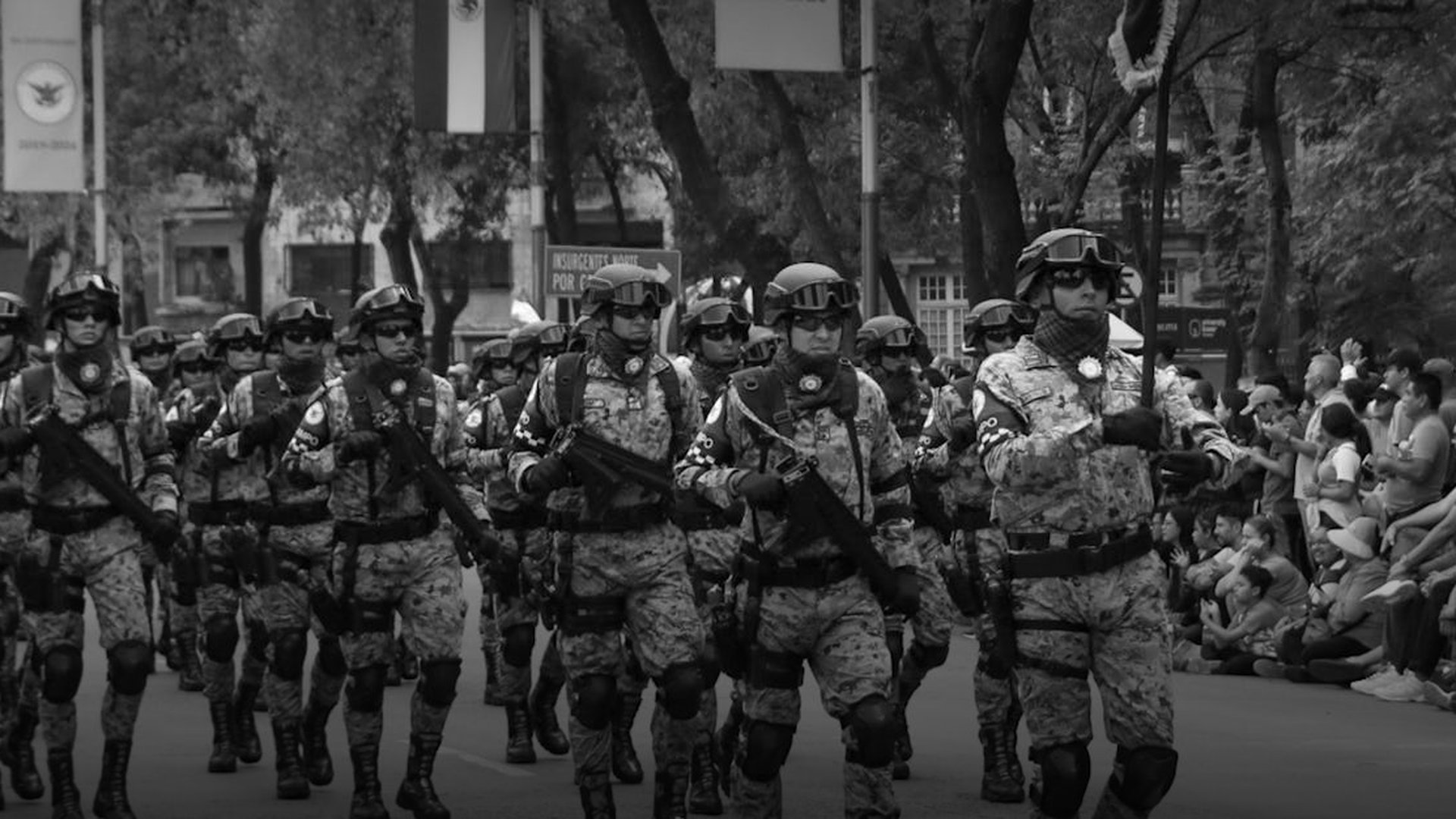
Three years after the Pretoria Peace Agreement ended the devastating Tigray War, recovery efforts show mixed progress amid ongoing challenges and incomplete implementation of peace commitments.
Current Situation
As of August 18, 2025, Tigray region remains in early stages of post-conflict recovery:
Peace Agreement Implementation
Progress on key peace agreement provisions has been uneven:
Completed Elements:
- Cessation of hostilities maintained
- Federal authority nominally restored
- Basic humanitarian access established
- Some TDF fighters disarmed
Ongoing Challenges:
- Eritrean forces withdrawal incomplete
- Western Tigray territorial dispute unresolved
- Justice and accountability mechanisms pending
- Full service restoration delayed
“While we welcome the peace, the recovery process requires much greater commitment from all parties to honor their obligations.”
Humanitarian Situation
The humanitarian crisis continues despite peace:
Current Needs
- Food Security: 3.2 million people food insecure
- Healthcare: Most facilities lack equipment and staff
- Education: 70% of schools remain closed or damaged
- Infrastructure: Power and water systems require major repairs
International Response
- $2.1 billion in reconstruction funding pledged
- UN agencies restored limited operations
- NGO access gradually expanding
- Donor coordination improving slowly
Economic Recovery
Tigray’s economy remains severely damaged:
Agricultural Sector:
- 60% of farmland still unusable due to conflict damage
- Livestock populations decimated by 80%
- Seed and fertilizer access limited
- Market connections disrupted
Private Sector:
- Most businesses closed or destroyed
- Banking system partially functional
- Investment climate remains poor
- Employment opportunities scarce
Economic recovery hampered by ongoing restrictions on movement and trade, limiting Tigray’s access to national and international markets.
Political Dynamics
Political reconciliation remains fragile:
Federal-Regional Relations:
- Interim administration appointed by federal government
- TPLF political role unclear
- Regional autonomy questions unresolved
- Constitutional issues pending
Local Governance:
- Administrative capacity severely weakened
- Local elections postponed indefinitely
- Civil service rebuilding slowly
- Justice system non-functional
Social Recovery
War’s social impact continues affecting communities:
Trauma and Mental Health
- Widespread PTSD among population
- Mental health services virtually non-existent
- Gender-based violence cases high
- Youth displacement and recruitment impacts
Social Cohesion
- Inter-ethnic tensions remain elevated
- Displacement patterns changed demographics
- Traditional authority structures disrupted
- Community reconciliation needs assessment
“True recovery in Tigray requires addressing not just immediate humanitarian needs but the deeper political and social wounds of war.”
Security Situation
While major combat ended, security concerns persist:
Remaining Challenges:
- Banditry and localized violence
- Unexploded ordnance contamination
- Cross-border tensions with Eritrea
- Limited police and security presence
Stabilization Efforts:
- Ethiopian forces maintain checkpoints
- TDF integration process ongoing
- Community policing initiatives limited
- Border areas remain militarized
International Engagement
Global involvement in recovery has been limited:
UN and NGO Operations:
- Gradual scale-up of humanitarian operations
- Development programming slowly resuming
- Funding shortfalls persist for reconstruction
- Access negotiations continue
Regional Dynamics:
- African Union monitoring implementation
- Sudan border relations normalized
- Eritrea engagement minimal
- Regional integration limited
Key Challenges
Major obstacles impede full recovery:
Political Obstacles
- Unresolved Territorial Disputes: Western Tigray status unclear
- Transitional Justice: No accountability mechanisms established
- Political Space: TPLF’s future role undefined
- Constitutional Questions: Federal arrangements disputed
Economic Constraints
- Infrastructure Damage: Massive reconstruction needs
- Market Access: Trade route restrictions continue
- Investment Climate: Security and political risks deter investors
- Resource Allocation: Federal budget allocations insufficient
Social Divisions
- Ethnic Tensions: Inter-communal relations strained
- Displacement: Massive population movements unresolved
- Grievances: War crimes and atrocities unaddressed
- Youth Integration: Former combatants need reintegration
Future Outlook
Recovery prospects depend on several factors:
Positive Indicators:
- Sustained peace holding for three years
- Gradual humanitarian access improvement
- Some infrastructure rehabilitation begun
- International support continuing
Risk Factors:
- Political tensions remain unresolved
- Economic recovery extremely slow
- Social reconciliation limited progress
- Regional instability potential
Experts estimate full recovery will require at least a decade of sustained effort and significant international support.
Immediate Priorities
Key areas requiring urgent attention:
- Basic Services Restoration: Healthcare, education, water, electricity
- Livelihood Support: Agricultural recovery and employment creation
- Justice and Reconciliation: Accountability mechanisms and healing
- Political Settlement: Long-term governance arrangements
- Regional Integration: Economic and social reconnection
Lessons Learned
The Tigray conflict and recovery offer important insights:
Conflict Prevention
- Early warning systems importance
- Political dialogue necessity
- Federal arrangement maintenance
- International engagement value
Peace Process
- Inclusive negotiations critical
- Implementation monitoring essential
- International support vital
- Local ownership paramount
Post-Conflict Recovery
- Humanitarian-development nexus
- Political settlement priority
- Social healing importance
- Economic recovery complexity
“Tigray’s recovery demonstrates both the possibilities and limitations of post-conflict reconstruction in complex political environments.”
Current Assessment
As of August 18, 2025, Tigray’s situation remains fragile but stable:
- Security: Largely peaceful but concerns persist
- Humanitarian: Significant needs continue requiring support
- Political: Tensions managed but not resolved
- Economic: Recovery extremely slow but some progress
- Social: Deep wounds healing gradually
The Tigray case illustrates the long-term nature of post-conflict recovery and the need for sustained commitment from all stakeholders to achieve durable peace and development. While the guns have been silent for three years, true recovery will require many more years of dedicated effort to address the war’s devastating legacy and build a foundation for lasting peace and prosperity.