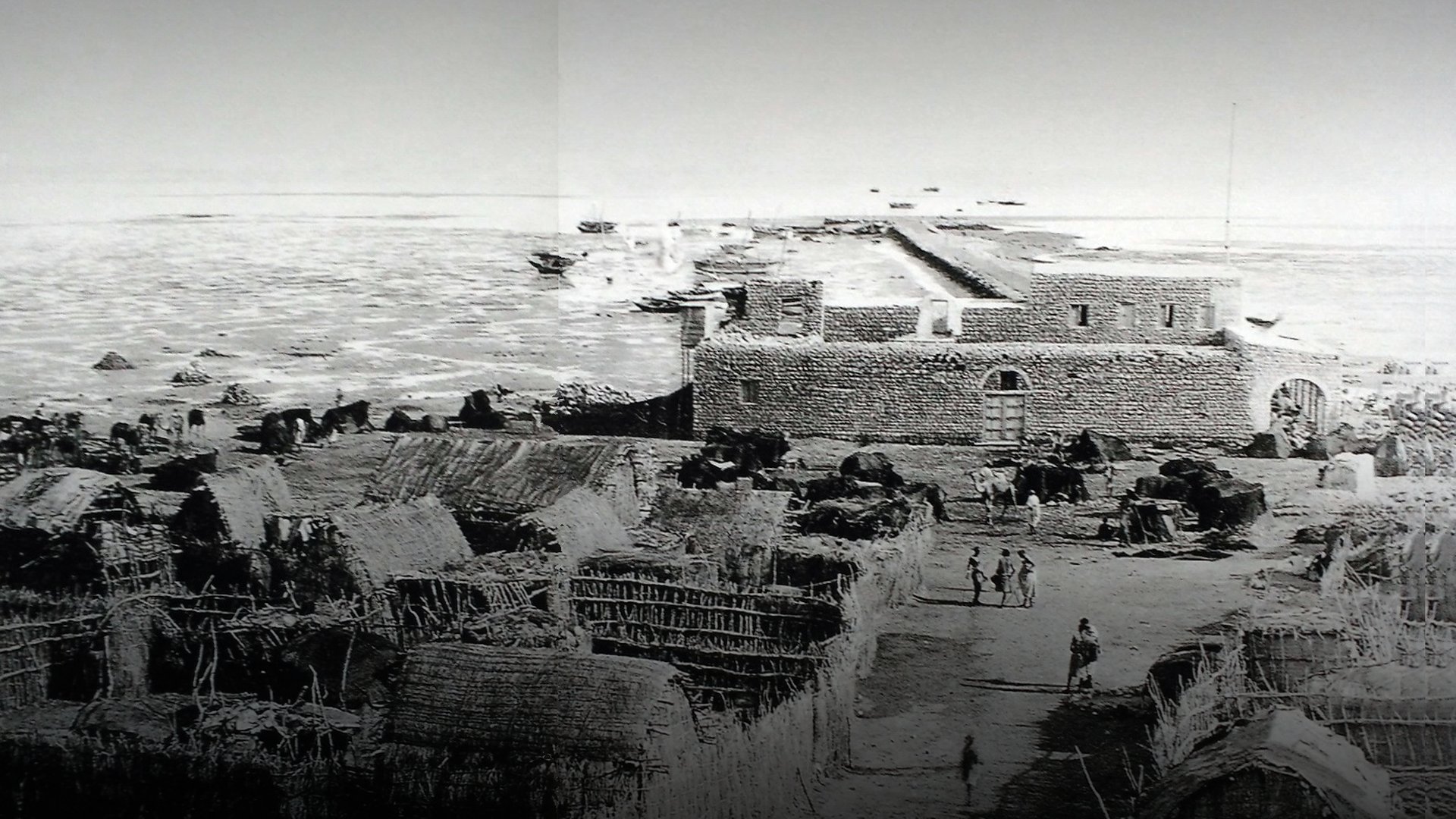
Rebellion Ignited
The Sudan Liberation Movement (SLM) and Justice and Equality Movement (JEM) launched a coordinated rebellion in Darfur, attacking government military installations and demanding an end to the systematic marginalization of the region’s African populations, triggering what would become one of the 21st century’s worst genocides.
Initial Attacks
Rebel operations:
- Gulu military airport assault
- Government garrison overrun
- Equipment and weapons seized
- Military prisoners captured
- Strategic surprise achieved
Rebel Grievances
Systematic complaints:
- Political marginalization
- Economic neglect
- Development discrimination
- Resource exploitation
- Arab favoritism
Government Response
Khartoum’s reaction:
- Military reinforcement
- Arab militia recruitment
- Aerial bombardment authorization
- Collective punishment strategy
- Ethnic targeting decision
Regional Context
Darfur conditions:
- Drought and desertification
- Resource competition
- Arab-African tensions
- Government neglect
- Tribal conflict history
International Ignorance
Global inattention:
- Iraq War focus
- Limited media coverage
- Diplomatic neglect
- Humanitarian invisibility
- African crisis normalization
Ethnic Dynamics
Population composition:
- African groups: Fur, Masalit, Zaghawa farmers
- Arab groups: Camel and cattle herders
- Mixed communities: Intermarriage common
- Government manipulation: Ethnic division exploitation
Economic Factors
Resource competition:
- Water scarcity
- Grazing rights
- Agricultural land
- Oil exploration
- Development exclusion
Military Balance
Force comparison:
- Government: Air power, artillery
- Rebels: Local knowledge, motivation
- Arab militias: Janjaweed recruitment
- International: No intervention
Early Warning Signs
Conflict indicators:
- Previous smaller rebellions
- Increasing ethnic tensions
- Resource scarcity
- Government discrimination
- Failed development
Humanitarian Concerns
Civilian vulnerability:
- Village attacks
- Population displacement
- Protection absence
- Aid access limited
- International indifference
Regional Implications
Broader consequences:
- Chad spillover potential
- Central African instability
- Refugee movements
- Arms proliferation
- Regional intervention
Government Strategy
Khartoum’s approach:
- Divide and rule tactics
- Militia proxy warfare
- Ethnic manipulation
- International isolation
- Military solution preference
Opposition Unity
Rebel coordination:
- Shared grievances
- Military cooperation
- Political alliance
- International advocacy
- Survival necessity
Warning Ignored
Early indicators:
- Human rights reports
- Academic warnings
- Diplomatic cables
- Local testimony
- Pattern recognition
The Darfur rebellion began as a legitimate grievance against marginalization but would trigger a government response of such brutality that it would constitute genocide, killing hundreds of thousands and displacing millions while the world focused elsewhere.