End of the Assad Era
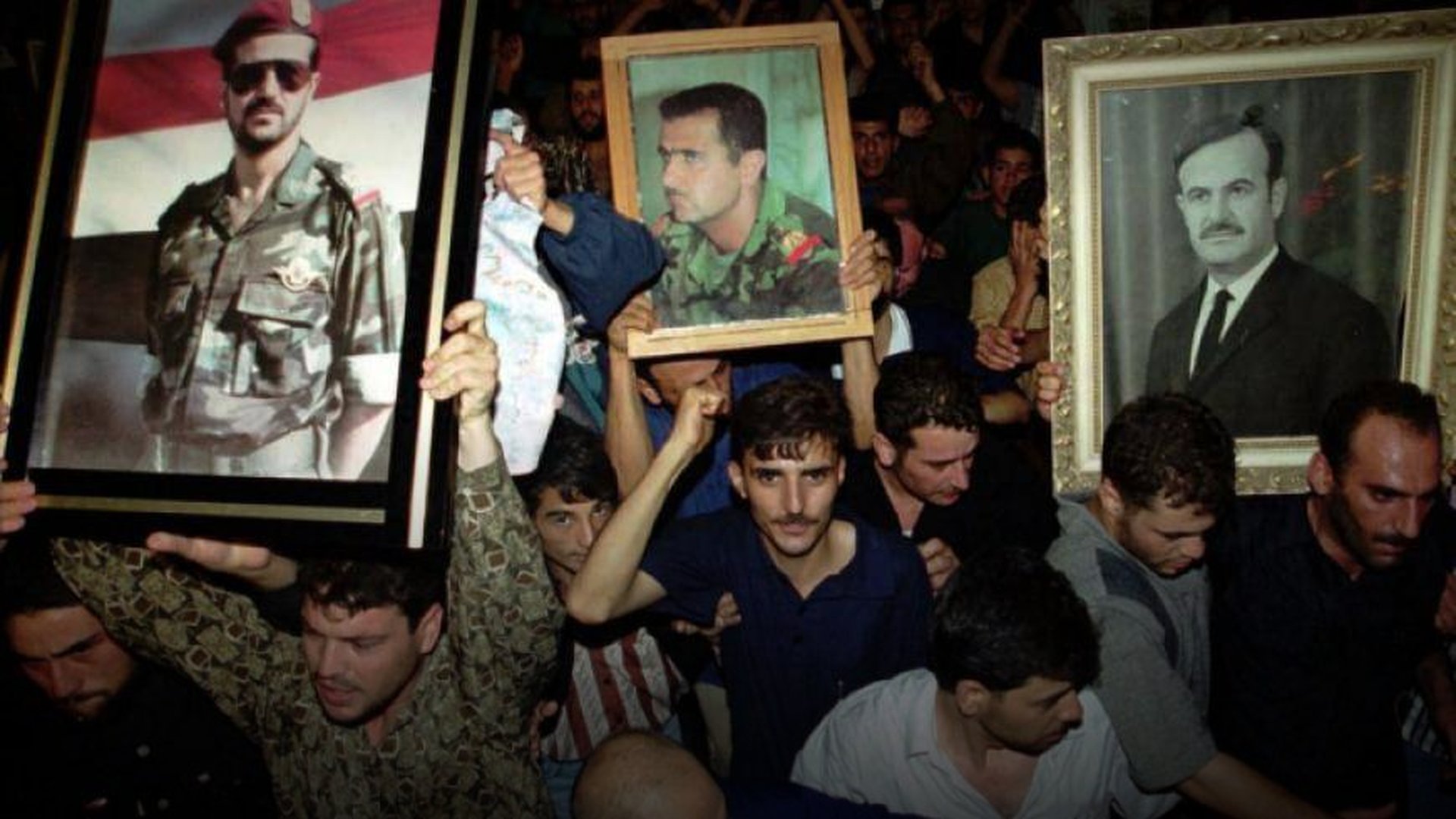
In December 2024, Bashar al-Assad’s government collapsed after a rebel force broke out of Idlib province and swept through the country in a rapid offensive that stunned observers worldwide. The fall ended more than five decades of Ba’athist rule that had defined Syrian political life since the 1960s, reversing territorial gains Assad had painstakingly clawed back during years of civil war (BBC). Opposition factions, long confined to shrinking pockets of territory in the northwest, exploited fractures within regime forces and the withdrawal of key external backers. Within days, government institutions crumbled and Assad fled the country, leaving behind a power vacuum that rival groups rushed to fill (Reuters).
The speed of the collapse caught even the rebels themselves off guard. Years of grinding stalemate had conditioned analysts to expect a frozen conflict, not a sudden rout. The offensive redrew the political map of Syria overnight and raised immediate questions about what kind of governance would replace decades of authoritarian rule (BBC).
New Abuses
A year after Assad’s fall, the promise of a freer Syria has been undercut by documented abuses committed by factions that once fought in the name of liberation. Former Syrian National Army factions that battled Assad with Turkish backing have continued to detain, mistreat, and extort civilians in areas under their control throughout 2025 (HRW). Human Rights Watch documented patterns of arbitrary detention, looting, and forced displacement targeting communities perceived as loyal to the former government.
The transitional authorities have struggled to rein in armed groups that operate with significant autonomy, particularly in northern Syria where Turkish influence remains strong. Civilians who survived Assad’s brutality now face new forms of coercion from the very forces that claimed to liberate them (HRW). International observers have warned that without meaningful accountability mechanisms, the cycle of abuse will continue regardless of which faction holds power (Reuters).
Reconstruction Challenges
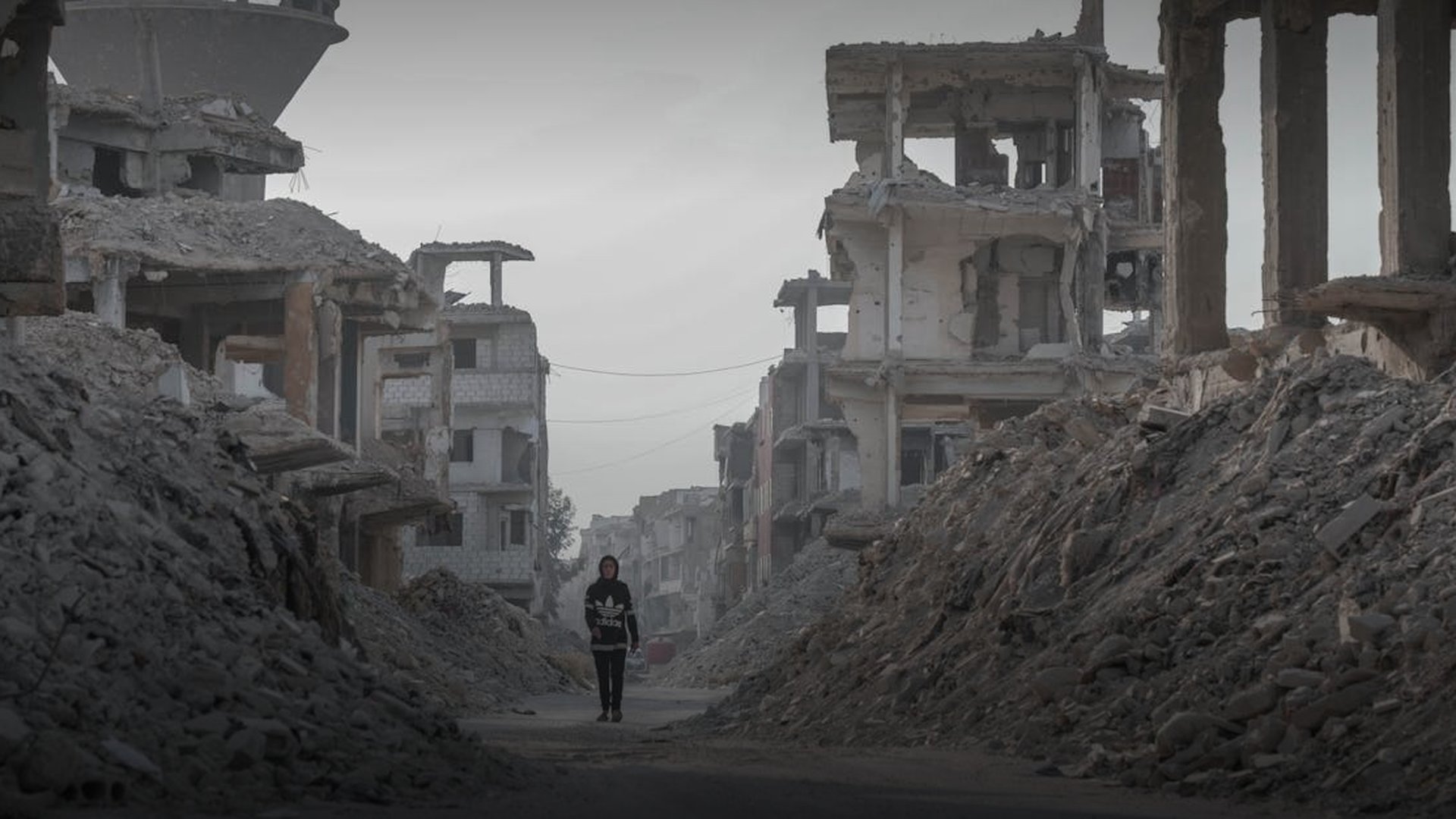
Beyond the security vacuum, Syria’s transitional government faces a staggering set of structural challenges. Reconstruction costs run into hundreds of billions of dollars for infrastructure destroyed during more than a decade of civil war, while Western sanctions remain largely in place, choking off foreign investment and aid flows (Reuters). The question of millions of Syrian refugees scattered across Turkey, Lebanon, Jordan, and Europe remains unresolved, with host countries pressing for repatriation while conditions inside Syria remain precarious (BBC).
Kurdish communities in the northeast, who carved out autonomous governance during the war years, are pushing for constitutional recognition of their rights within any new political framework. Negotiations between the transitional government and Kurdish authorities have stalled over disagreements about decentralization and the future of armed forces (Reuters). Meanwhile, a US jury convicted a former Syrian prison official of torture for crimes committed under the Assad regime, marking a rare moment of judicial accountability for atrocities that defined the conflict (BBC).
Syria one year after Assad is, by many accounts, a lighter place — the pervasive fear of secret police and barrel bombs has lifted. But the country now confronts the harder, slower work of building institutions from rubble, holding armed groups accountable, and forging a political settlement that includes all of Syria’s fractured communities. Whether the transitional government can meet these challenges will determine if the fall of Assad marks a true turning point or simply the beginning of a new chapter of instability.