Syria’s reconstruction efforts continued to face major obstacles in February 2026 as international sanctions remain in place and the political transition process has stalled. The post-assad government, established after the December 2024 regime change, has struggled to gain international recognition and economic support. Western sanctions imposed during theAssad years remain largely intact, preventing foreign investment and blocking access to frozen Syrian assets.
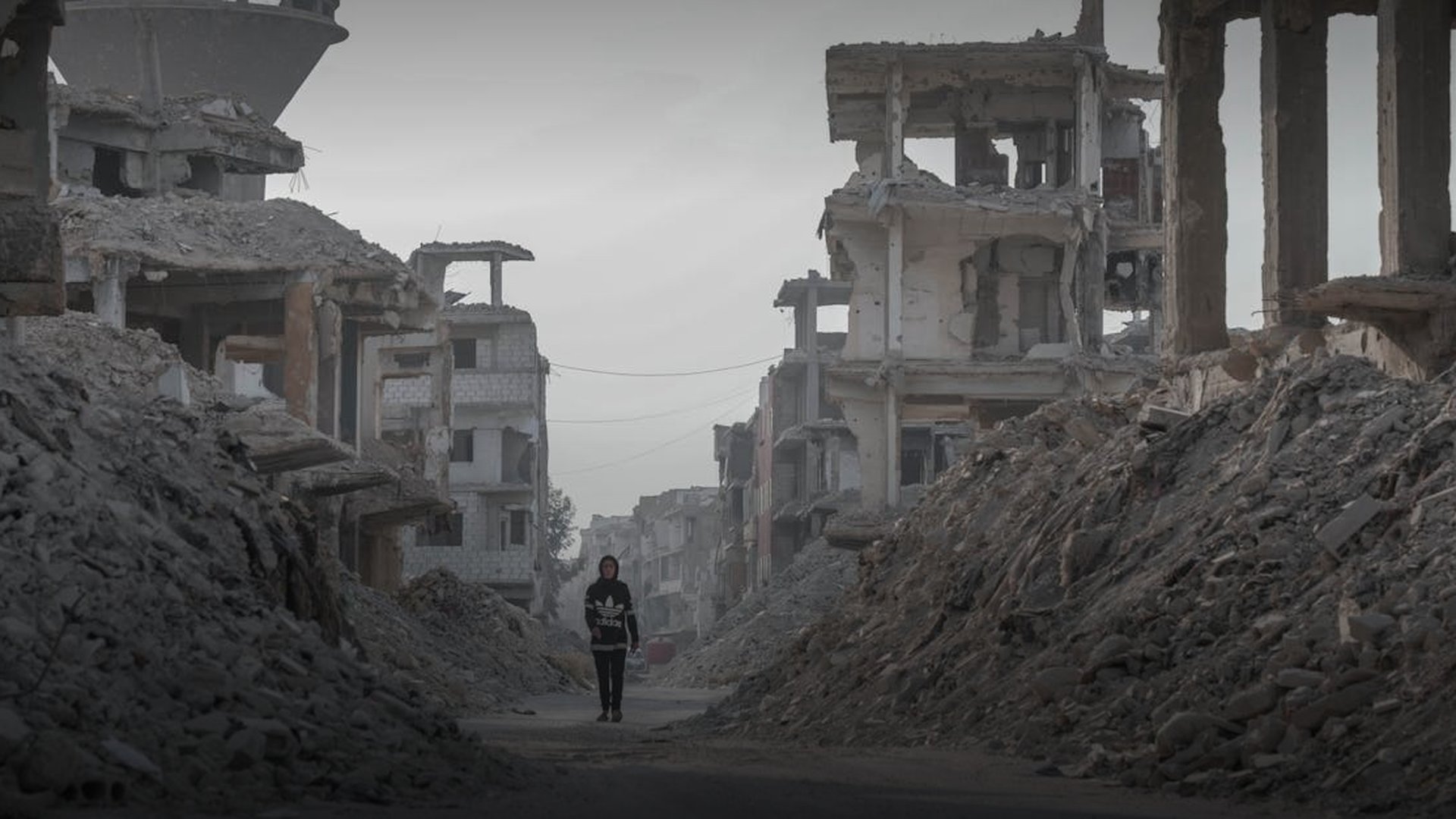
The economic situation has created significant challenges for ordinary Syrians as basic services remain unreliable across much of the country. Reconstruction of infrastructure destroyed during the war has barely begun in most areas. International donors have conditioned reconstruction aid on political progress that has not materialized.
Syria needs massive international support, but sanctions and political uncertainty are blocking the assistance that civilians desperately need.
Regional Competition
Multiple regional powers including Turkey, Iran, Russia, and various Gulf states continue to compete for influence inside Syria. The competition has complicated efforts to establish unified governance and has prevented the withdrawal of foreign military forces. Each external actor supports different factions, creating a complex web of competing interests.
Humanitarian Situation
Despite the end of major combat, humanitarian needs remain enormous. Millions of internally displaced persons have not returned to their homes, and refugee returns from Lebanon, Jordan, and Turkey have been limited. The United Nations estimates that 15 million Syrians require humanitarian assistance in 2026.