Russia invaded Ukraine four years ago. The fighting has not stopped.
While the world watches Iran and the Persian Gulf, Ukrainian soldiers are dying in trenches across Donetsk. Russian missiles still hit apartment buildings. Five million people still live under occupation. And the numbers keep climbing.
The Dead
This is now Europe’s deadliest war since 1945.
Russia has lost roughly 1.25 million troops since February 2022, including at least 325,000 dead, according to the Center for Strategic and International Studies. Ukraine’s losses are smaller but devastating for a country of its size: up to 600,000 personnel, with 140,000 killed.
Civilian Toll
The UN Human Rights Monitoring Mission documented 15,168 civilian deaths and 41,534 injuries across four years. 2025 was the deadliest year for civilians.
The killing accelerated toward the end of 2025. Zelenskyy said 35,000 Russian soldiers were killed in December alone. That was up from 30,000 in November and 26,000 in October. The trend line points one direction.
These numbers are extraordinary. No major power has suffered anywhere near these numbers of casualties or fatalities in any war since World War II.
A Quarter of the Country, Gone
Ukraine had 42 million people before the invasion. It has lost about a quarter of them.
Some left the country entirely. 5.9 million Ukrainians are refugees, 5.4 million of them in Europe. Others did not leave by choice. Five million people live under Russian occupation in territories Moscow claims to have annexed.
The demographic damage will outlast the war itself. Young men are fighting. Young women are abroad. Birth rates have collapsed. Even if the war ended tomorrow, Ukraine would spend decades recovering its population.
Pokrovsk and the Eastern Front
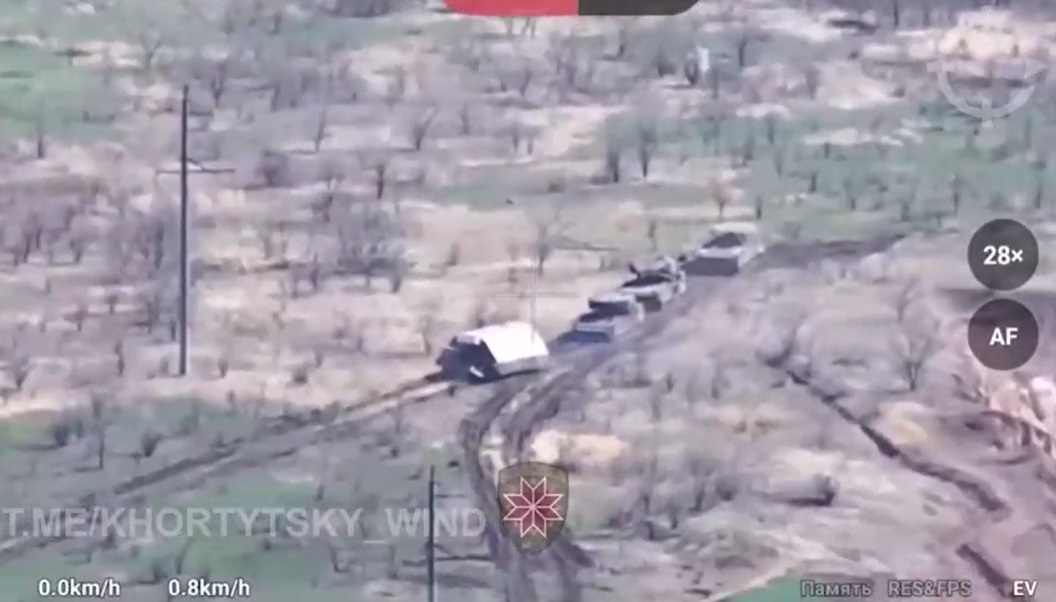
The battle for Pokrovsk in Donetsk Oblast grinds on. Both sides are dug into positions across a frontline that barely moves. Street-to-street fighting. Drone warfare. Artillery. It looks more like Verdun than anything from the 21st century.
Russian advances have slowed in recent months. But Ukraine faces its own problems. Ammunition runs short. Manpower is stretched thin. Mobilization is politically toxic. Western military aid continues, but the deliveries are slower than they used to be.
The US, distracted by its war in Iran, has reduced its diplomatic engagement with Kyiv. Europe picks up some of the slack. Not all of it.
The Money
Rebuilding Ukraine will cost $486 billion, according to the World Bank. That number gets bigger every week.
Russia pays a different kind of price. The country operates under more sanctions than any nation in history: over 19,000, surpassing Iran, North Korea, and Syria combined. GDP growth slowed to 0.6 percent in 2025. The ruble is propped up by capital controls. But oil revenue keeps flowing, and China keeps buying.
Sanctions Record
Russia has been hit with over 19,000 individual sanctions since February 2022. No country has ever faced this level of economic isolation.
Neither side is bankrupt. Both can keep fighting. That is part of the problem.
No End in Sight
Four years in, nobody is negotiating. Ukraine demands its territory back. Russia insists on keeping what it took. NATO membership for Ukraine remains a red line for Moscow and an aspiration for Kyiv.
The battlefield is a stalemate measured in meters. The diplomacy is frozen. The casualties mount. And the rest of the world has largely stopped paying attention.
That does not make the war less real. It makes it lonelier.
