The Spark That Ignited Syria
Protests erupted in the southern city of Daraa after security forces arrested and tortured 15 schoolchildren for writing anti-government graffiti inspired by other Arab Spring uprisings. The graffiti read “It’s your turn, Doctor” - referring to President Bashar al-Assad’s medical degree.
Initial Protests
The arrest of the children, aged between 10 and 15, triggered immediate demonstrations demanding their release. Families and tribal leaders attempted to negotiate with local security chief Atef Najib, a cousin of President Assad, but were reportedly humiliated and turned away.
Government Response
Security forces responded to peaceful protests with:
- Live ammunition fired into crowds
- Mass arrests of demonstrators
- Siege of the Omari Mosque where protesters gathered
- Cutting of water, electricity, and communications to Daraa
Rapid Escalation
March 18 - “Friday of Dignity”
- Protests spread to Damascus, Homs, and Banias
- Security forces kill at least 6 protesters
- Thousands attend funerals, which become protests
- First calls for Assad to step down
March 20 - Omari Mosque Raid
- Security forces storm the mosque serving as protest headquarters
- At least 6 killed in the operation
- Medical supplies and blood banks destroyed
- Doctors treating wounded arrested
National Spread
By the end of March, protests had reached:
- Damascus: University students demonstrate
- Latakia: Port city sees first major protests
- Homs: Thousands march demanding freedom
- Hama: Site of 1982 massacre sees renewed protests
- Deir ez-Zor: Eastern city joins uprising
Demands Evolution
Initial demands:
- Release of political prisoners
- End of emergency law (in place since 1963)
- Prosecution of security officials
- Greater political freedom
As violence escalated, demands shifted to:
- President Assad’s resignation
- Complete regime change
- Democratic elections
International Reaction
- Arab League: Calls for restraint
- United Nations: Expresses “deep concern”
- United States: Condemns violence against protesters
- European Union: Warns of potential sanctions
- Turkey: Urges reforms
Regime’s Narrative
The Syrian government claimed:
- Protests were orchestrated by foreign conspirators
- Armed gangs were attacking security forces
- Reforms were being planned
- Western media was fabricating reports
Early Warning Signs
Analysts noted concerning indicators:
- Sectarian tensions being stoked
- Military units being deployed to cities
- Shabiha (pro-regime militias) being organized
- Weapons being distributed to loyalists
The Point of No Return
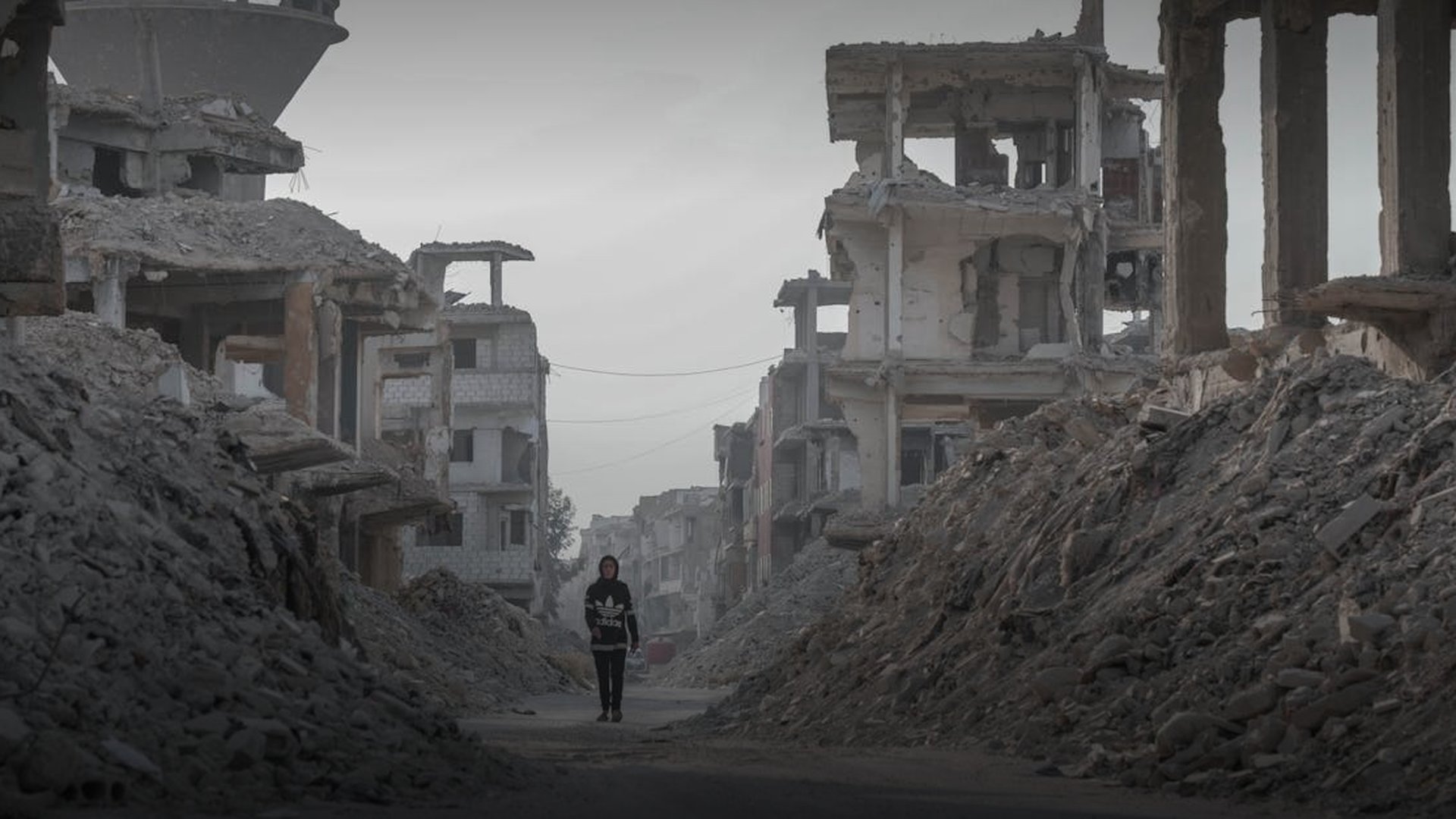
By the end of March 2011, with over 100 protesters killed and thousands arrested, Syria had crossed into what would become one of the 21st century’s deadliest conflicts. The government’s violent response to initially peaceful protests had set the stage for civil war.
The children of Daraa were eventually released, showing signs of severe torture, but by then the uprising had spread beyond anyone’s control. What began as schoolyard graffiti would lead to a conflict that would destroy much of Syria and displace half its population.