Military Assault
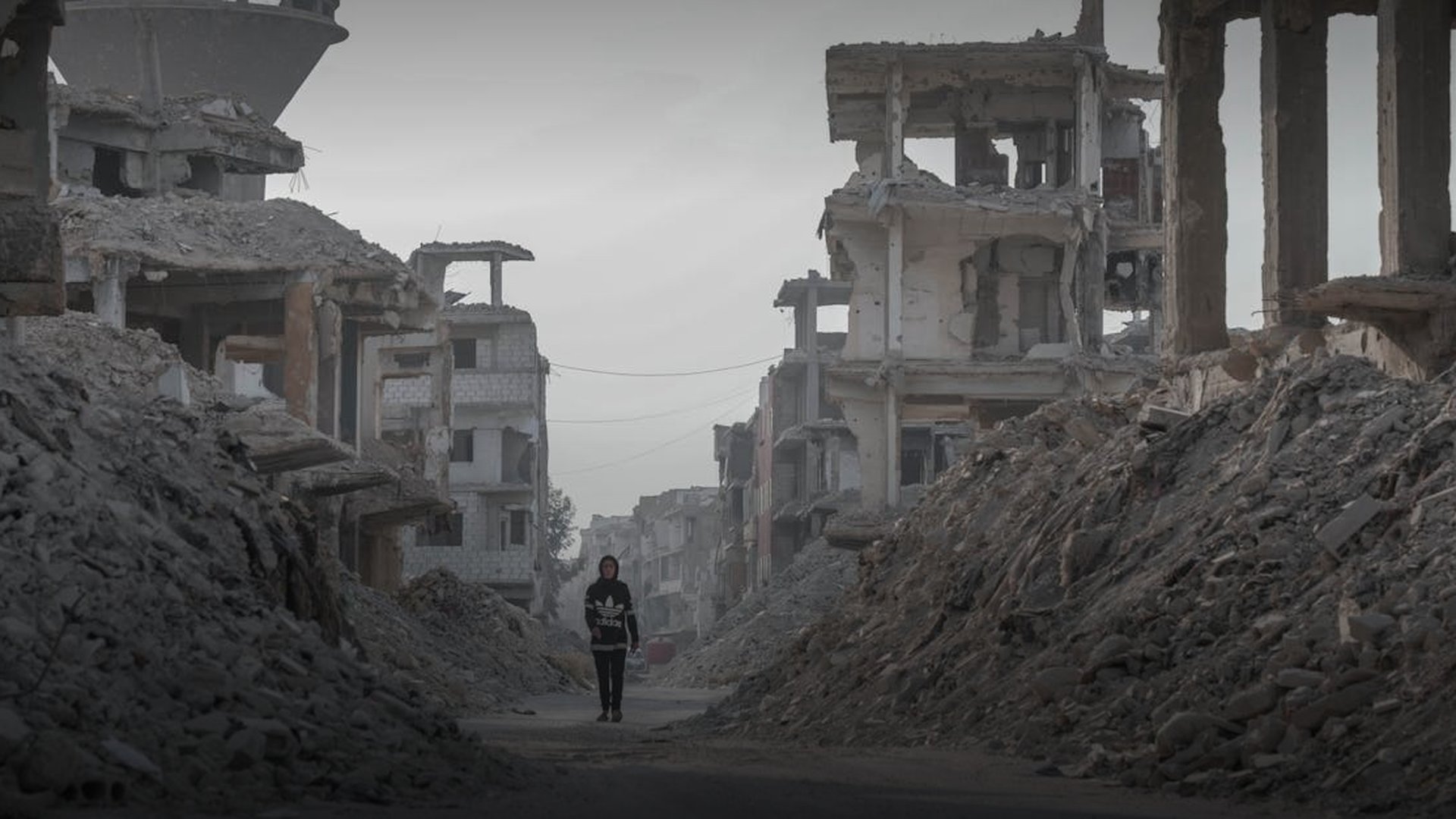
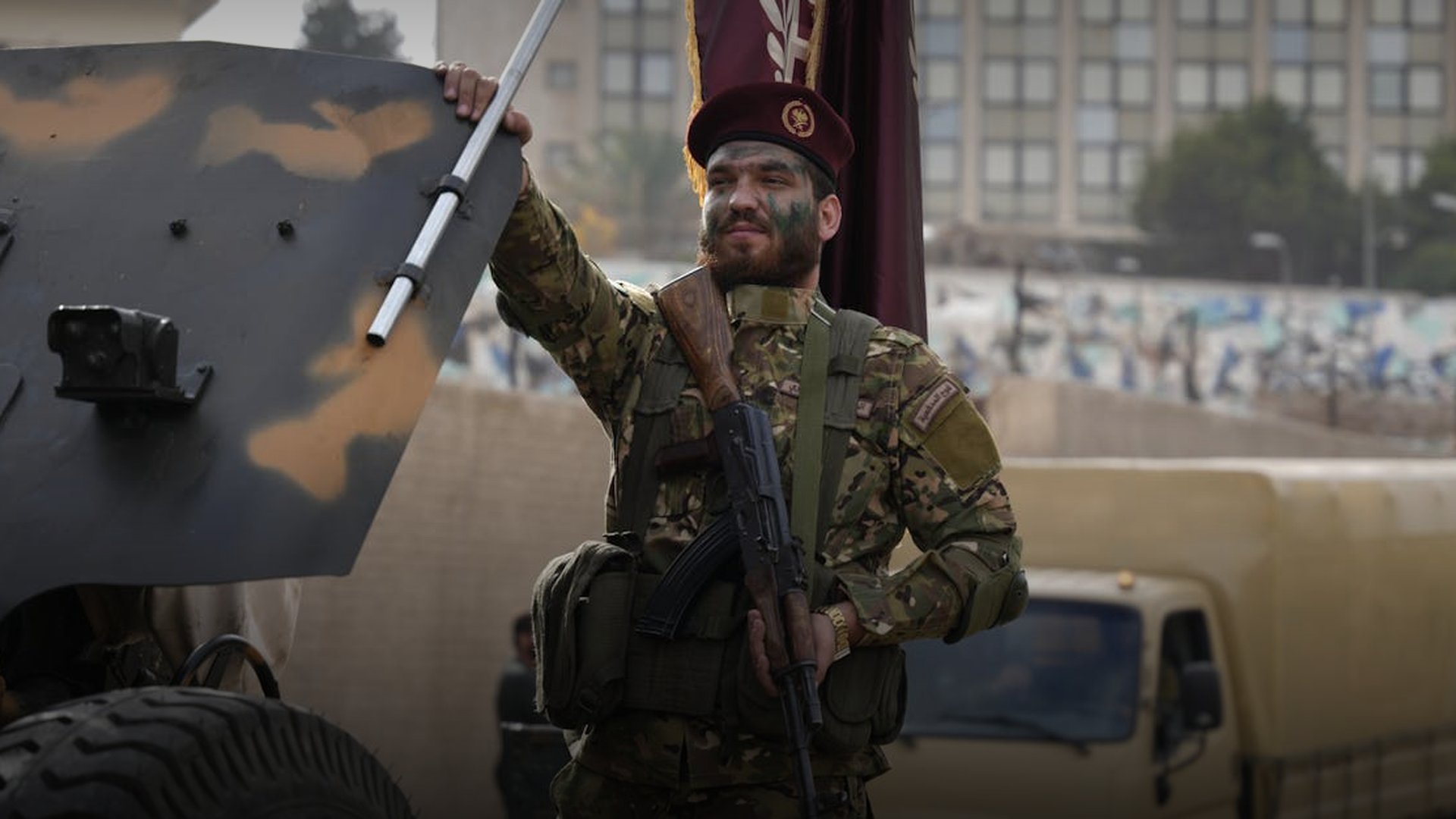
The Syrian Army launched a full-scale military siege of Daraa, deploying tanks, troops, and artillery against the city where the uprising began, marking the regime’s most aggressive response to the protest movement.
Operation Scale
Military deployment:
- Tank battalion deployment
- Infantry brigade involvement
- Artillery positioning
- Sniper teams
- Helicopter support
Siege Tactics
Military strategy:
- City encirclement
- Communication cutting
- Food supply blocking
- Medical access denial
- Electricity disruption
Humanitarian Crisis
Civilian impact:
- Food shortages
- Medical supply depletion
- Water system damage
- School closures
- Hospital targeting
International Condemnation
Global responses:
- United States: Sanctions threats
- European Union: Arms embargo consideration
- Turkey: Military action concerns
- Arab League: Emergency session
- United Nations: Investigation calls
Regime Justification
Government narrative:
- Armed terrorist groups
- Foreign conspiracy
- State security protection
- Salafist extremism claims
- Sectarian violence prevention
Opposition Response
Resistance adaptation:
- Underground networks
- Defection appeals
- International attention
- Documentation efforts
- Solidarity protests
Regional Implications
Broader consequences:
- Arab Spring precedent
- Refugee movements
- Sectarian tensions
- Regional stability
- International intervention
Media Blackout
Information control:
- Journalist expulsion
- Internet shutdown
- Phone line cutting
- Satellite disruption
- Citizen reporter risks
Economic Impact
Financial consequences:
- Tourism collapse
- Investment withdrawal
- Currency pressure
- Trade disruption
- Sanctions preparation
The Daraa siege demonstrated the Assad regime’s willingness to use overwhelming military force against civilian populations and marked the militarization of the Syrian conflict.