Armed Opposition Emerges
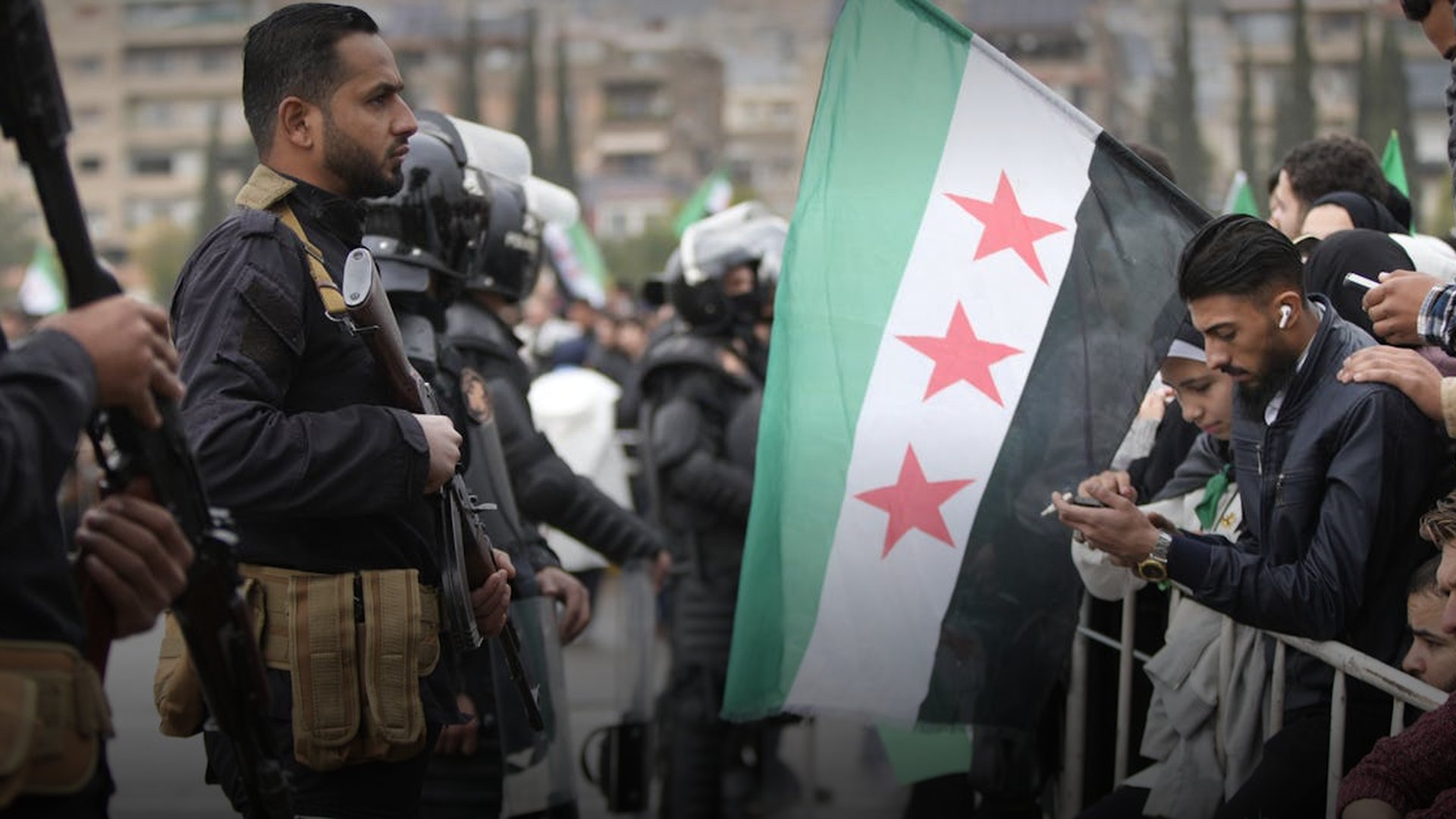
A group of defected Syrian military officers announced the formation of the Free Syrian Army (FSA), marking the transformation of Syria’s uprising from peaceful protests into armed rebellion. Colonel Riad al-Asaad, who defected from the Syrian Air Force, declared the group’s formation from Turkey.
Founding Declaration
In a video statement, Colonel al-Asaad announced: “We, officers and soldiers of the Syrian Arab Army, announce the formation of the Free Syrian Army to protect the revolution of our dignified people.”
Initial Composition
Defection Wave
The FSA’s formation accelerated military defections:
- Entire units refusing orders to fire on civilians
- Soldiers fleeing with weapons and equipment
- Officers organizing local resistance groups
- Border guards facilitating refugee escapes
Early Operations
Initial FSA activities focused on:
- Protecting Protesters: Armed escorts for demonstrations
- Defending Towns: Preventing regime forces from entering
- Ambush Tactics: Hit-and-run attacks on military convoys
- Recruitment: Encouraging further defections
Regime Response
Assad’s government reacted with:
- Executions of captured defectors
- Collective punishment of defectors’ families
- Deployment of loyal Alawite units
- Increased reliance on shabiha militias
International Reactions
Supporting States:
- Turkey: Allowing FSA to organize on its territory
- Qatar: Pledging financial support
- Saudi Arabia: Calling for arming opposition
- France: First Western recognition
Opposing States:
- Russia: Condemning “armed gangs”
- Iran: Warning against foreign intervention
- China: Supporting Assad government
- Lebanon: Hezbollah backing regime
Organizational Structure
The early FSA attempted to establish:
- Regional military councils
- Communication networks
- Arms distribution systems
- Safe houses and supply routes
Challenges Faced
Major obstacles included:
- Lack of heavy weapons
- No unified command structure
- Limited communication equipment
- Regime infiltration attempts
- Competition with Islamist groups
Growing Civilian Support
As regime brutality increased:
- Local communities housing defectors
- Merchants funding operations
- Doctors treating wounded fighters
- Students joining armed groups
International Fighters
The FSA’s emergence attracted:
- Syrian expatriates returning to fight
- Arab volunteers from Iraq and Libya
- Former military advisors
- Weapons smugglers
Strategic Significance
Military analysts noted:
- First organized military opposition to Assad
- Shift from protests to armed conflict
- Beginning of Syria’s militarization
- Precedent for further defections
Regional Implications
The FSA’s formation affected:
- Lebanon: Weapons smuggling routes established
- Jordan: Refugee camps becoming recruitment centers
- Iraq: Former insurgents offering expertise
- Turkey: Border becoming conflict zone
Evolution Forecast
Experts predicted the FSA would face:
- Fragmentation along regional lines
- Competition from Islamist groups
- Foreign state manipulation
- Internal power struggles
Humanitarian Impact
The militarization led to:
- Increased civilian casualties
- Regime using heavier weapons
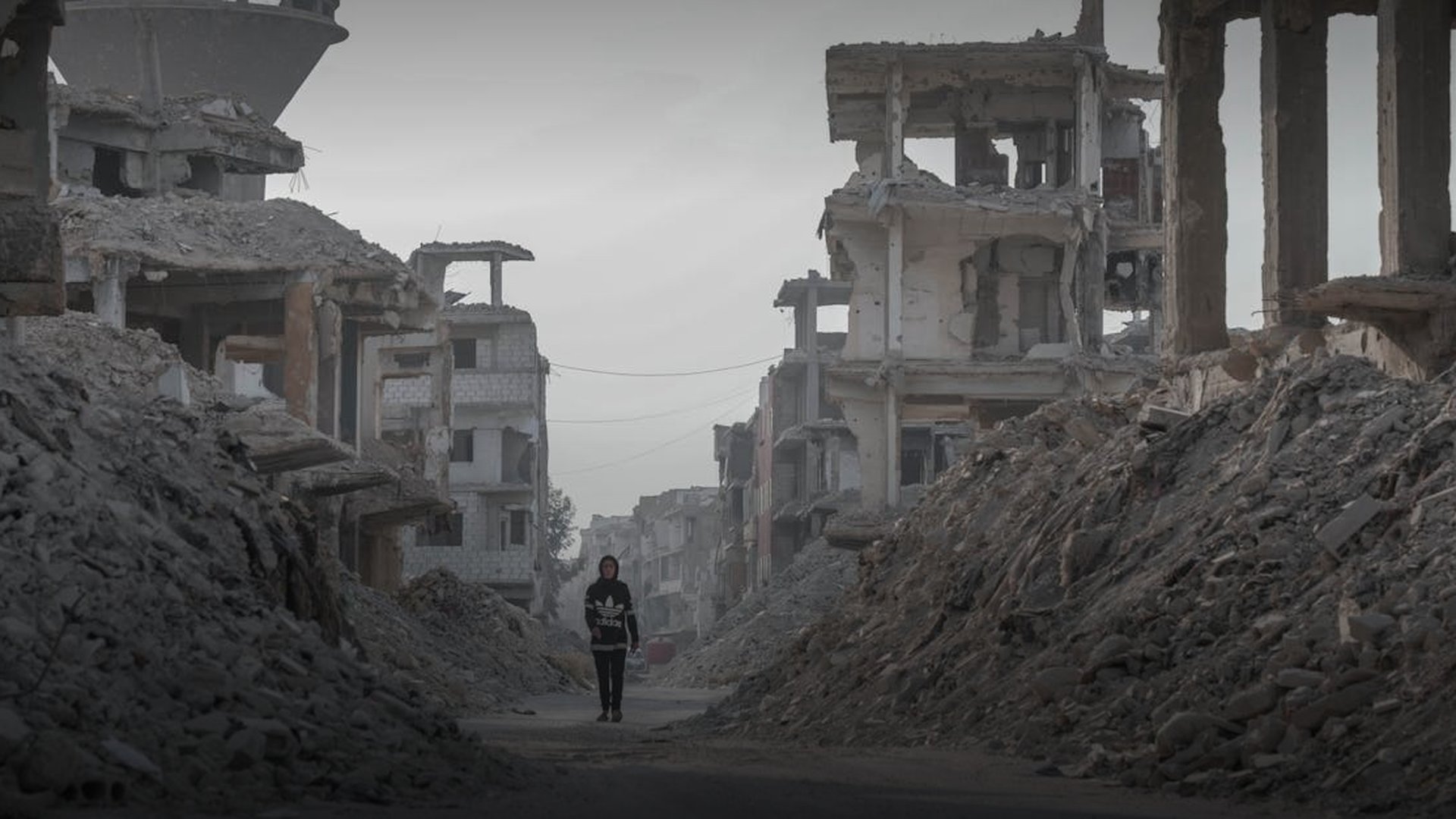
- Cities becoming battlefields
- Mass displacement beginning
Warning Signs
The FSA’s formation marked several turning points:
- End of purely peaceful revolution
- Beginning of proxy war dynamics
- Sectarian militias forming
- International intervention likelihood increasing
Historical Parallel
The FSA’s emergence drew comparisons to:
- Lebanese civil war militias
- Libyan rebel forces
- Iraqi insurgency groups
- Yugoslav wars formations
The formation of the Free Syrian Army transformed Syria’s Arab Spring uprising into what would become one of the 21st century’s most complex and devastating conflicts, drawing in regional and global powers while destroying much of the country.