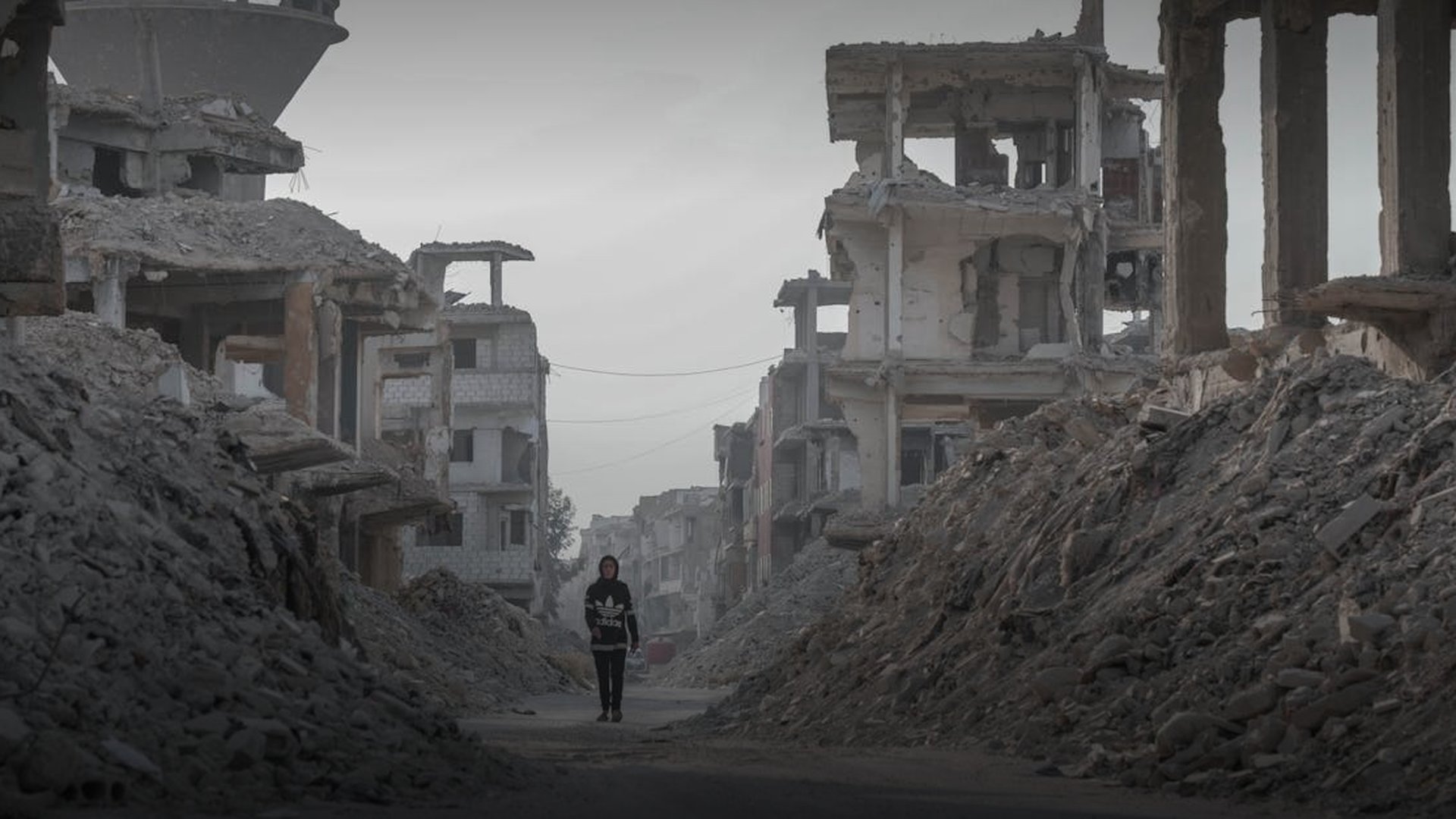
Diplomatic Breakthrough
Syria agreed to join the Chemical Weapons Convention and eliminate its entire chemical arsenal under international supervision, averting US military strikes following the Ghouta chemical attack.
Agreement Terms
Destruction framework:
- Chemical weapons inventory
- International supervision
- Destruction timeline
- Verification protocols
- OPCW oversight
US-Russia Cooperation
Superpower coordination:
- Kerry-Lavrov negotiations
- Framework agreement
- Implementation timeline
- Verification measures
- Enforcement mechanisms
Syrian Compliance
Government commitments:
- Chemical Weapons Convention
- Arsenal declaration
- Inspector access
- Destruction cooperation
- Timeline adherence
International Implementation
OPCW mission:
- Verification inspections
- Destruction oversight
- Technical assistance
- Security coordination
- Progress reporting
Assad’s Survival
Regime benefits:
- Military strike avoidance
- International legitimacy
- Russian protection
- Conflict continuation
- Opposition pressure
Opposition Frustration
Rebel concerns:
- Justice absence
- Accountability failure
- Regime survival
- International abandonment
- Continued suffering
Implementation Challenges
Practical obstacles:
- Security conditions
- Site access
- Transportation risks
- Technical complexity
- Timeline pressure
Regional Impact
Middle Eastern effects:
- Iran nuclear implications
- Israeli security
- Regional disarmament
- Diplomatic precedent
- Power balance
Long-term Consequences
Strategic outcomes:
- Assad legitimization
- Russian influence
- US credibility
- International law
- Conflict prolongation
The chemical weapons deal prevented US military intervention while allowing Assad to survive the biggest crisis of his rule.