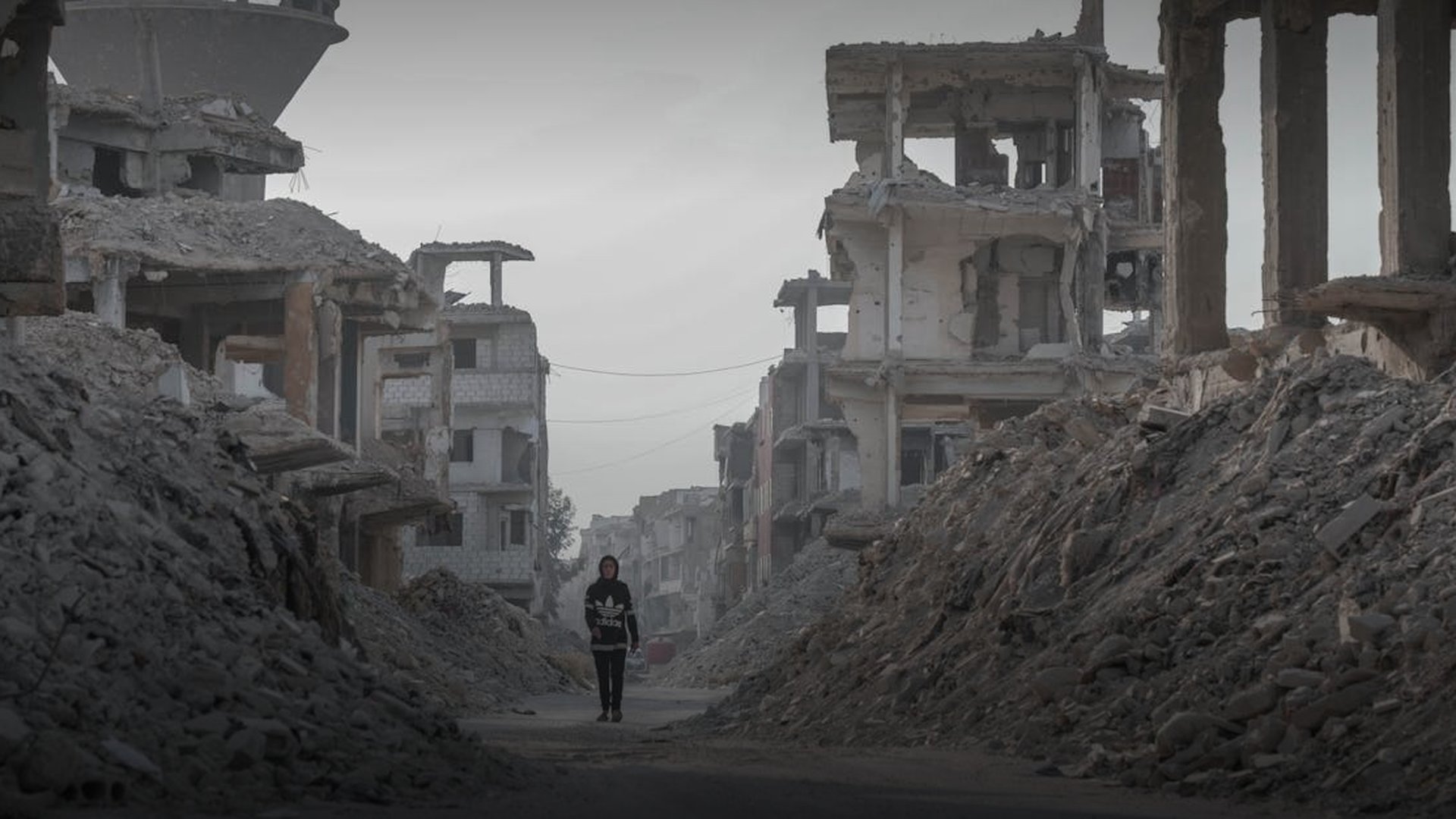
Cultural Catastrophe
ISIS captured the ancient city of Palmyra after Syrian government forces withdrew, raising international alarm about the fate of the UNESCO World Heritage site and its irreplaceable archaeological treasures.
Military Collapse
Government retreat:
- Syrian army withdrawal
- Defensive failure
- Strategic evacuation
- Equipment abandonment
- Civilian flight
Archaeological Significance
Cultural heritage:
- Roman architecture
- Temple complexes
- Historical artifacts
- Ancient inscriptions
- Archaeological treasures
ISIS Destruction
Cultural vandalism:
- Temple demolition
- Statue destruction
- Monument defacement
- Artifact smuggling
- Historical erasure
International Outrage
Global condemnation:
- UNESCO protests
- Archaeological community
- Cultural preservation groups
- International sanctions
- Emergency measures
Strategic Importance
Military value:
- Central Syria location
- Transportation hub
- Government supply routes
- Territorial expansion
- Symbolic victory
Syrian Response
Government reaction:
- Recapture planning
- International appeals
- Cultural protection
- Military coordination
- Heritage preservation
Russian Involvement
Moscow’s interest:
- Cultural heritage
- Military support
- Recapture assistance
- International prestige
- Regional influence
Civilian Impact
Population consequences:
- Mass evacuation
- Cultural loss
- Economic disruption
- Historical continuity
- Identity destruction
International Law
Legal violations:
- Cultural property protection
- War crimes evidence
- UNESCO conventions
- International accountability
- Heritage preservation
Restoration Challenges
Recovery obstacles:
- Extensive damage
- Technical expertise
- Financial resources
- Security conditions
- International cooperation
The fall of Palmyra to ISIS represented both a military defeat and a cultural catastrophe that shocked the international community and highlighted the group’s destructive ideology.