Urban Siege
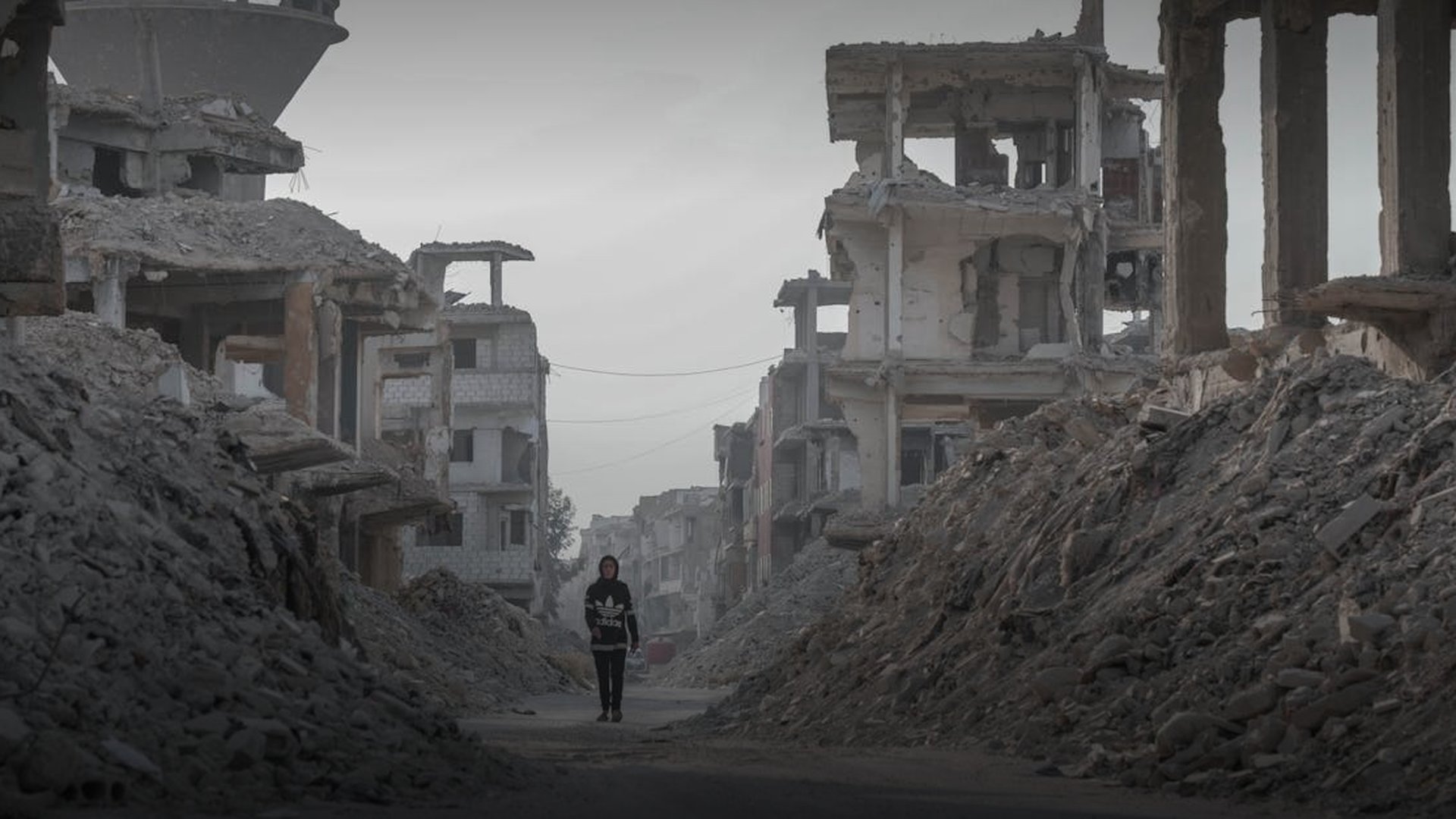
Syrian government forces backed by Russian air power began the siege of eastern Aleppo, encircling opposition-held areas and trapping approximately 275,000 civilians in what would become one of the war’s most brutal urban battles.
Encirclement Strategy
Siege tactics:
- Supply route cutting
- Border sealing
- Civilian entrapment
- Opposition isolation
- Surrender pressure
Russian Involvement
Moscow’s role:
- Air campaign coordination
- Strategic planning
- Military advisors
- Diplomatic protection
- International narrative
Opposition Defense
Rebel strategy:
- Urban warfare
- Tunnel networks
- Civilian protection
- International appeals
- Resistance maintenance
Civilian Suffering
Population impact:
- Food shortages
- Medical crisis
- Infrastructure collapse
- Psychological trauma
- Humanitarian emergency
International Response
Global reactions:
- United Nations: Humanitarian concerns
- United States: Ceasefire demands
- Turkey: Opposition support
- Iran: Government backing
- European Union: Sanctions threats
Humanitarian Crisis
Civilian needs:
- Medical supplies
- Food access
- Safe evacuation
- International aid
- Protection measures
Military Strategy
Government tactics:
- Systematic bombing
- Hospital targeting
- Infrastructure destruction
- Collective punishment
- Surrender inducement
Hospital Targeting
Medical warfare:
- Systematic destruction
- Physician targeting
- Equipment elimination
- Treatment prevention
- War crimes evidence
Regional Implications
Broader consequences:
- Refugee flows
- Regional stability
- International intervention
- Humanitarian law
- Conflict evolution
Symbolic Importance
Strategic significance:
- Opposition stronghold
- International attention
- Government prestige
- Russian partnership
- War trajectory
The siege of Aleppo became the defining battle of the Syrian conflict and a symbol of the war’s brutality against civilian populations.