Healthcare Catastrophe
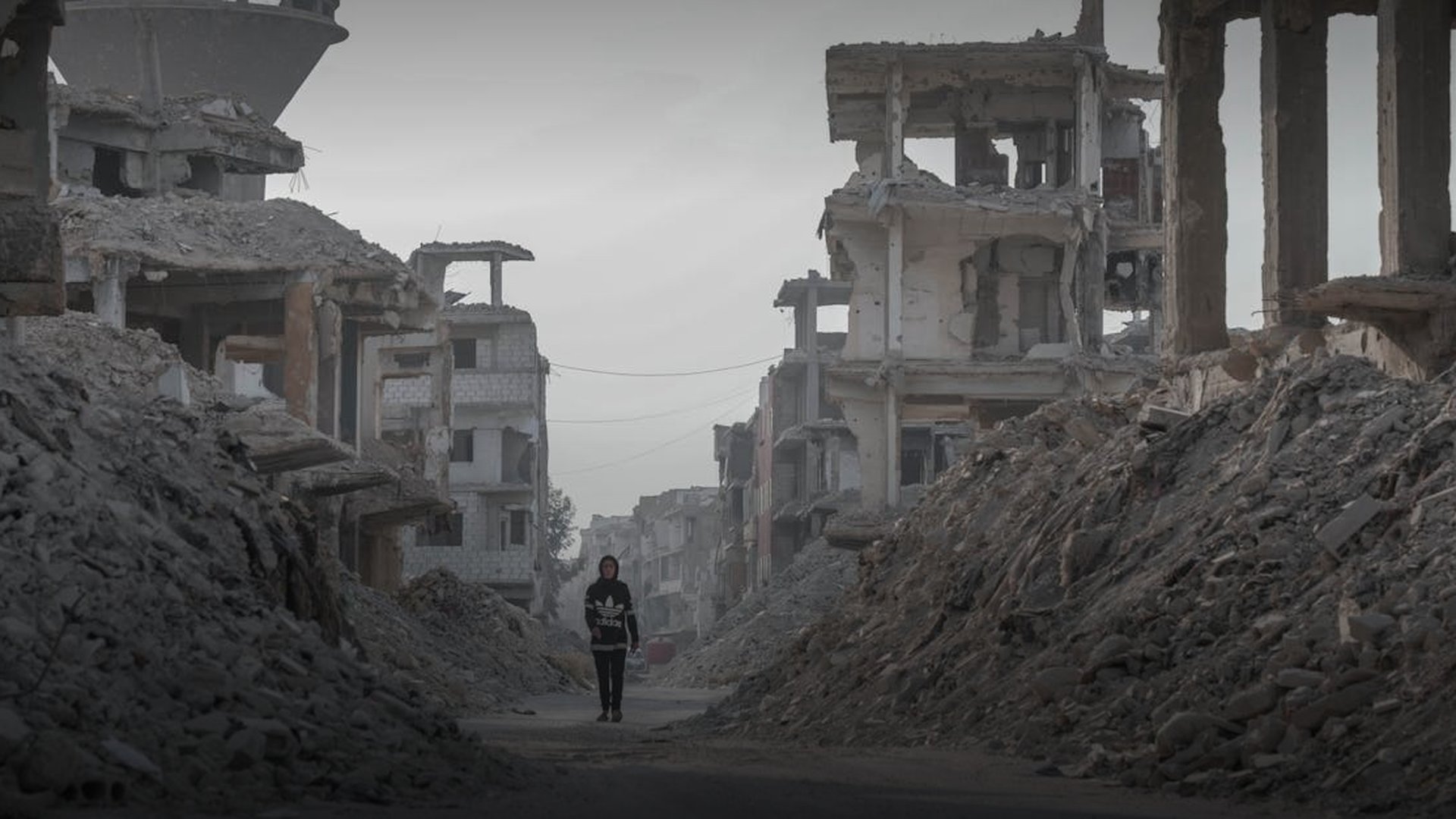
The COVID-19 pandemic struck Syria’s already devastated healthcare system, overwhelming medical facilities destroyed by nine years of war and creating a dual crisis of conflict and disease.
Medical Infrastructure
Healthcare destruction:
- Hospital targeting
- Medical staff exodus
- Equipment shortages
- Supply chain collapse
- Treatment capacity reduction
Pandemic Impact
COVID-19 effects:
- Infection spread
- Medical overwhelm
- Economic collapse
- Social distancing impossibility
- Humanitarian crisis deepening
Vulnerable Populations
At-risk groups:
- Displaced persons
- Refugee camps
- Detained populations
- Elderly civilians
- Malnourished children
Government Response
Regime measures:
- Limited testing
- Curfew implementation
- Border restrictions
- Information control
- International aid acceptance
Opposition Areas
Rebel territory:
- No government support
- International NGO assistance
- Limited medical capacity
- Cross-border aid
- Community initiatives
International Assistance
Global support:
- WHO coordination
- UN humanitarian aid
- Medical supplies
- Technical assistance
- Funding appeals
Economic Devastation
Financial collapse:
- Currency devaluation
- Unemployment surge
- Food insecurity
- Service disruption
- Poverty increase
Social Distancing
Preventive challenges:
- Overcrowded conditions
- Displacement camps
- Economic necessity
- Limited awareness
- Government distrust
Regional Spread
Cross-border transmission:
- Refugee movements
- Trade disruption
- Medical cooperation
- Regional coordination
- Border controls
Long-term Consequences
Pandemic effects:
- Healthcare rebuilding
- Economic recovery
- Social reconstruction
- International support
- Conflict evolution
The COVID-19 pandemic added another layer of suffering to Syria’s humanitarian crisis while exposing the complete destruction of the country’s medical infrastructure.