Natural Disaster
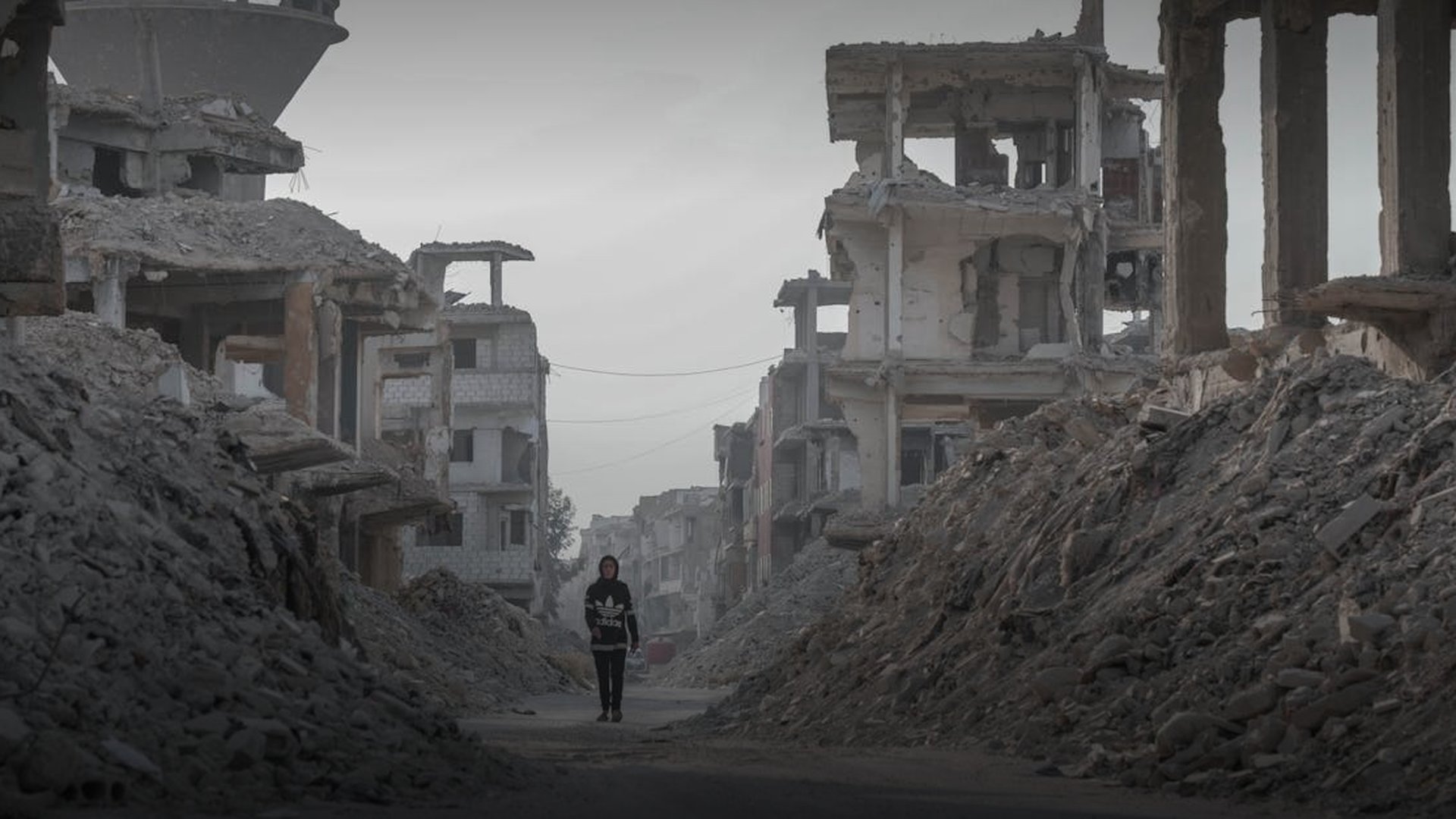
A devastating 7.8 magnitude earthquake struck northern Syria, killing thousands and compounding the humanitarian crisis in areas already devastated by twelve years of war and lacking adequate infrastructure.
Earthquake Impact
Seismic destruction:
- Building collapse
- Infrastructure damage
- Civilian casualties
- Emergency response
- International assistance
Humanitarian Crisis
Compound disaster:
- War-damaged infrastructure
- Limited medical capacity
- Inadequate rescue equipment
- Population vulnerability
- Winter conditions
Rescue Operations
Emergency response:
- Local volunteer efforts
- Limited equipment
- International assistance
- Cross-border aid
- Coordination challenges
Government Response
Regime reaction:
- Emergency declaration
- International appeals
- Aid coordination
- Resource limitations
- Political considerations
Opposition Areas
Rebel territory impact:
- No government assistance
- NGO operations
- Turkish support
- Community mobilization
- International aid
International Aid
Global assistance:
- Emergency funding
- Rescue teams
- Medical supplies
- Humanitarian access
- Coordination efforts
Cross-Border Assistance
Aid delivery:
- Turkish border crossing
- UN operations
- NGO networks
- Logistics challenges
- Political obstacles
Infrastructure Damage
Systemic destruction:
- Hospital collapse
- School destruction
- Road damage
- Utility disruption
- Communication breakdown
Refugee Impact
Displaced populations:
- Camp destruction
- Additional displacement
- Cross-border movement
- Shelter needs
- Protection concerns
Long-term Consequences
Recovery challenges:
- Reconstruction needs
- Economic impact
- Social trauma
- Political implications
- International support
The earthquake added another layer of devastation to Syria’s ongoing humanitarian crisis while highlighting the country’s vulnerability after years of conflict.