Economic Revival
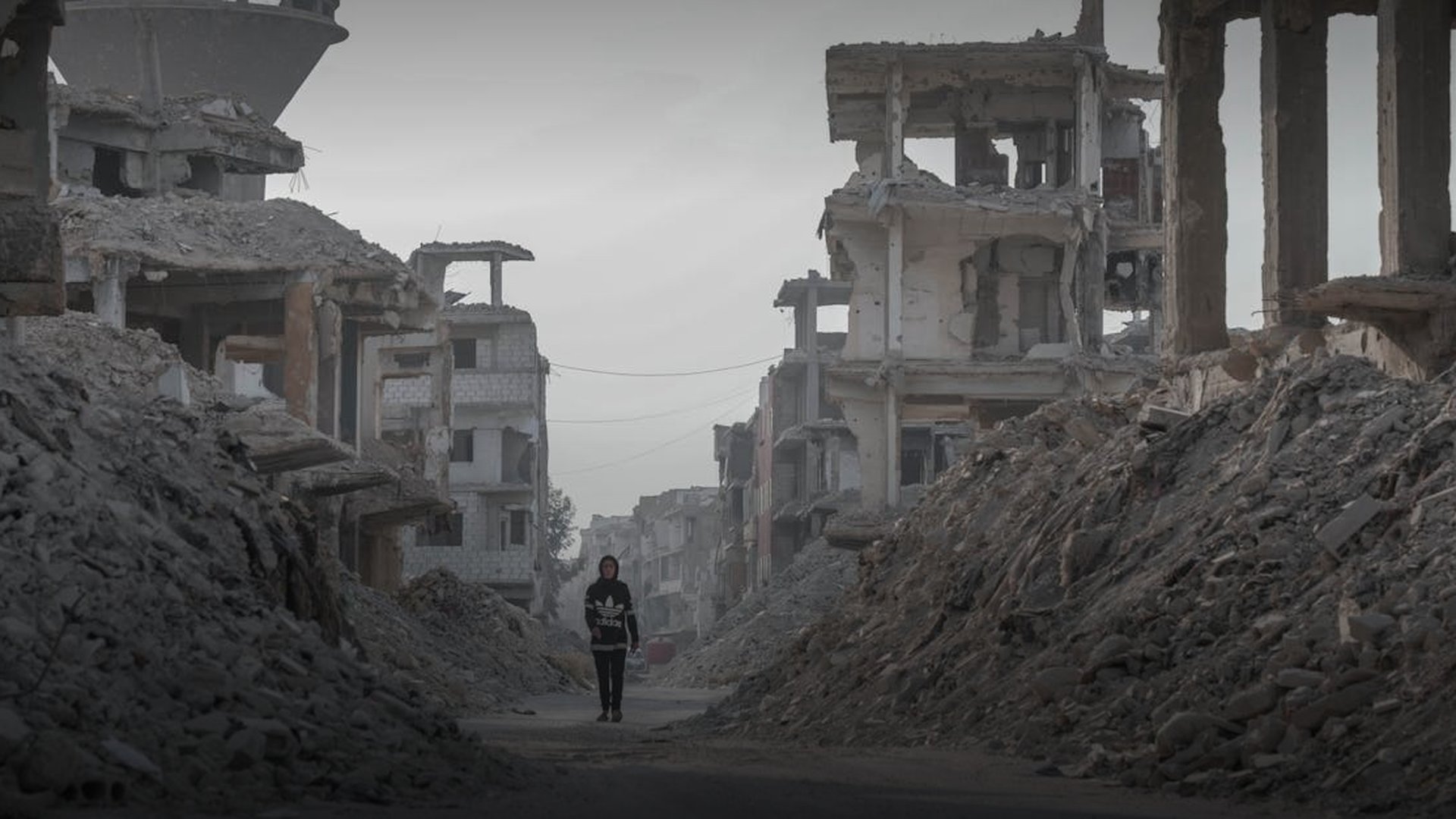
Syria’s economy showed the first significant signs of recovery since the war began, driven by international investment, sanctions relief, and massive reconstruction efforts following the democratic transition.
Growth Indicators
Economic progress:
- GDP growth resumption
- Currency stabilization
- Investment inflows
- Employment creation
- Infrastructure rebuilding
Sanctions Relief
International measures:
- US sanctions lifting
- EU restrictions removal
- Banking system restoration
- Trade normalization
- Investment facilitation
International Investment
Global funding:
- European Union projects
- Gulf state investment
- Asian development funds
- Private sector engagement
- Reconstruction contracts
Infrastructure Rebuilding
Development projects:
- Transportation networks
- Energy generation
- Telecommunications
- Housing construction
- Industrial facilities
Employment Creation
Job market:
- Construction sector boom
- Service industry growth
- Manufacturing restart
- Agricultural revival
- Technology development
Banking Sector
Financial system:
- International banking
- Credit availability
- Investment financing
- Currency exchange
- Electronic payments
Regional Integration
Economic cooperation:
- Turkey: Trade agreements
- Jordan: Economic corridors
- Lebanon: Energy cooperation
- Iraq: Infrastructure links
- Gulf States: Investment projects
Refugee Return Economic Impact
Population benefits:
- Skilled labor return
- Consumer demand
- Entrepreneurship
- Remittance flows
- Knowledge transfer
Energy Sector
Power restoration:
- Electricity generation
- Oil production restart
- Natural gas development
- Renewable energy
- Regional cooperation
Future Prospects
Economic outlook:
- Sustained growth
- International integration
- Innovation development
- Regional hub potential
- Prosperity restoration
Syria’s economic recovery represents the peace dividend of democratic transition and international reintegration after years of isolation and destruction.